News
Working on Australian & New Zealand Farms: Travel Insurance Work Pack Information
21 July 2026
If you’re planning for an experience working on Australian or New Zealand farms, travel insurance isn’t just a box-ticking exercise. The type of work you do on the land can make a big difference to the cover you need, and choosing the wrong level could leave you unprotected when it matters most.
From harvest work and tractor driving to dairy farming, sheep shearing, and even mustering cattle on horseback, farm life is as varied as it is rewarding. That’s exactly why Go Walkabout’s Work Pack system exists: to match your insurance to the reality of the job.
In this guide, we’ll break down the most common farm roles in Australia and New Zealand and explain exactly which Work Pack you need for each.
Why Farm Work Needs Specialist Travel Insurance
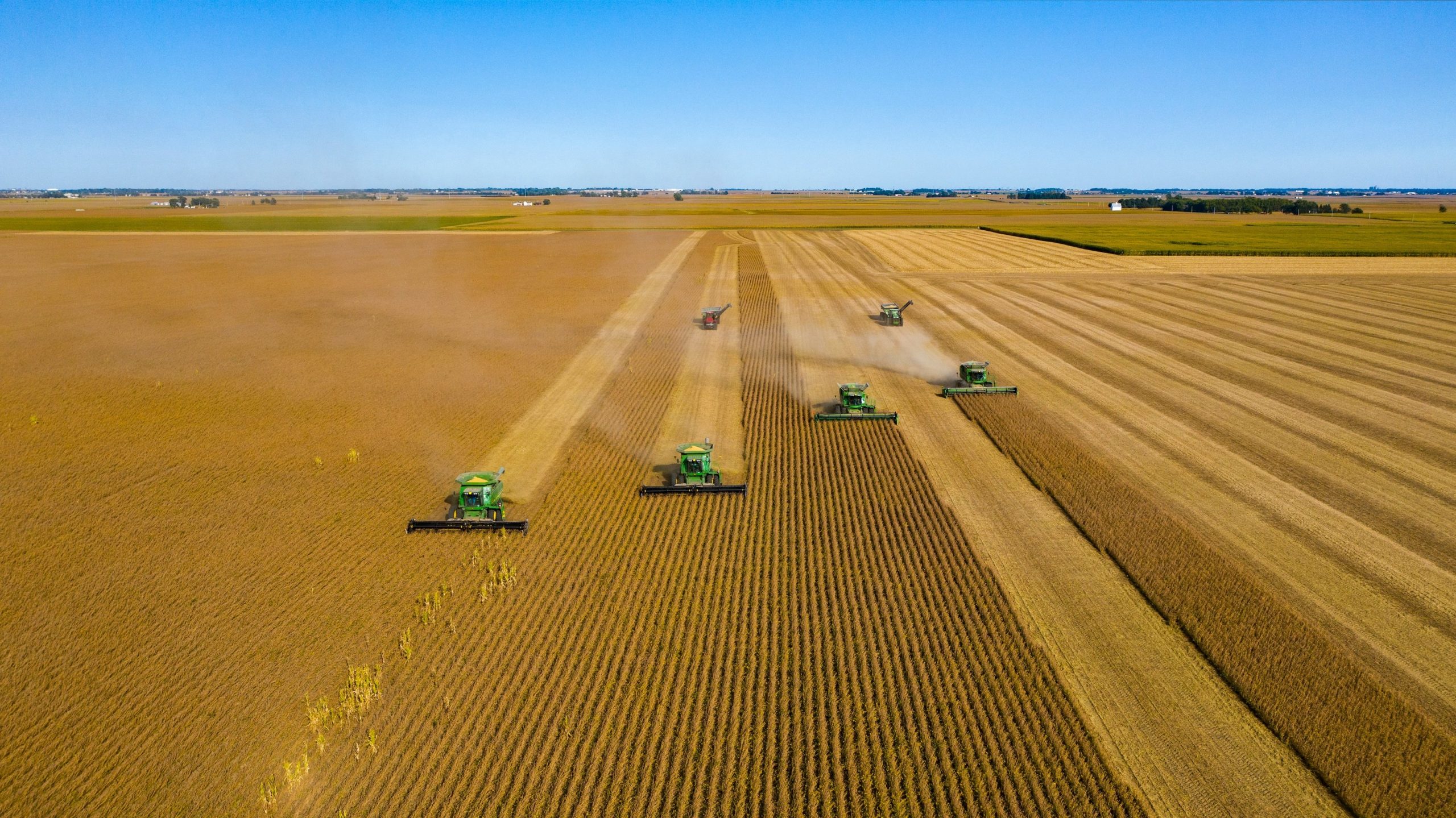
Working holidays in Australia and New Zealand are hugely popular with UK travellers, especially in agriculture. But it’s important to remember that not all travel insurance automatically covers manual or rural work.
Farm jobs often involve:
- Heavy physical labour
- Working with animals
- Machinery and vehicles
- Remote locations
- Long working hours in variable conditions
That combination increases risk. That’s why standard holiday insurance usually isn’t enough.
Specialist working holiday insurance is designed to cover these realities, but only if you select the correct Work Pack for your role.
Choosing the right level of cover ensures you’re protected if something goes wrong while you’re working, not just when you’re travelling on your days off.
Understanding Go Walkabout Work Packs
Go Walkabout’s Working Holiday Work Packs are designed to match different types of working holiday roles.
Each pack reflects the level of risk associated with the work you’re doing, from lighter agricultural tasks through to more demanding or higher-risk roles involving machinery, livestock, or horses.
Think of it as tailoring your insurance to your job, rather than trying to fit your job into a generic policy.
Now let’s look at the most common farm roles and where they sit.
Fruit Picking & General Farm Labour
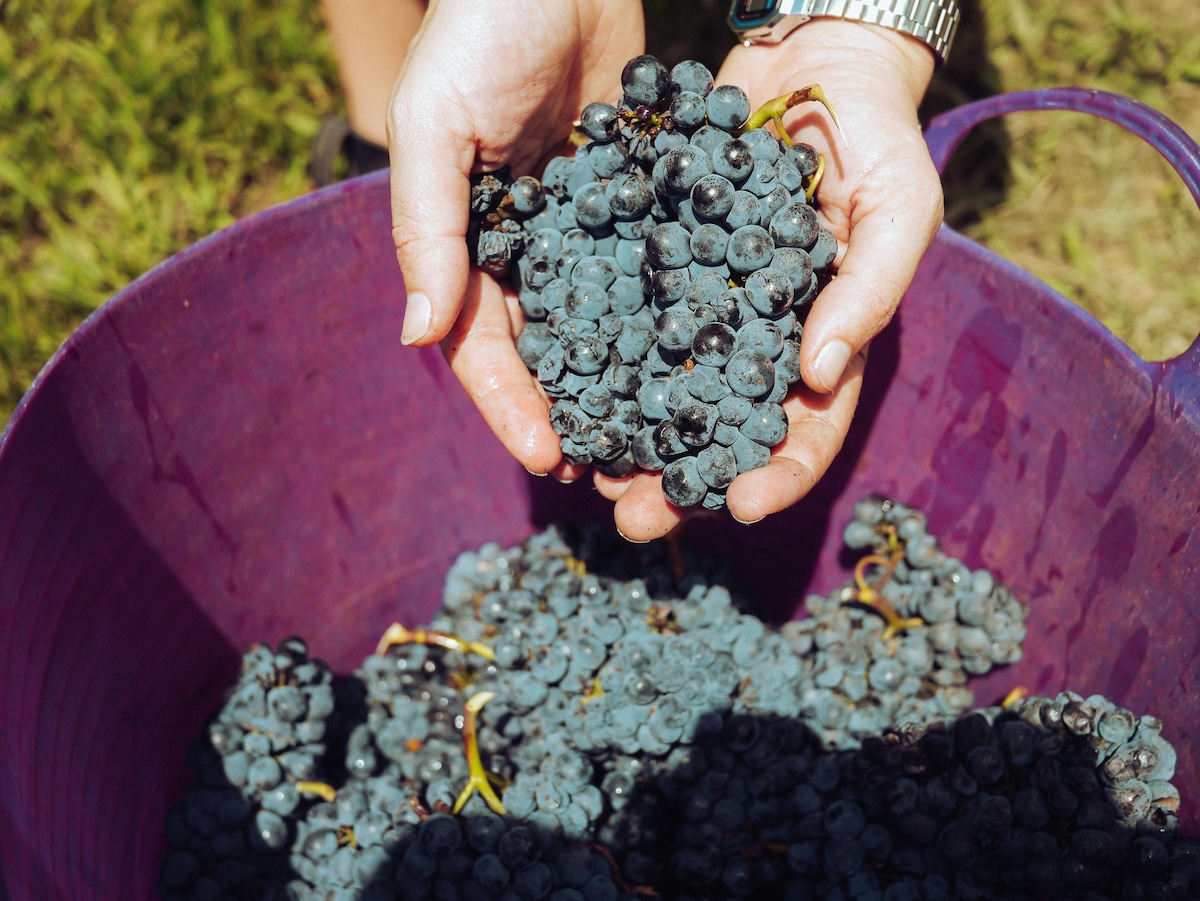
Fruit picking is often the starting point for many working holidaymakers.
Typical tasks include:
- Picking fruit and vegetables (not using machinery)
- Packing produce
- Basic field maintenance
- Working on harvest lines
It’s physical work, but usually doesn’t involve machinery or high-risk livestock handling.
👉 Typical Work Pack: Work Pack 1
This level is generally suitable for entry-level agricultural roles where risk is relatively low, but manual labour is still involved.
Tractor Drivers & Harvest Machinery Operators
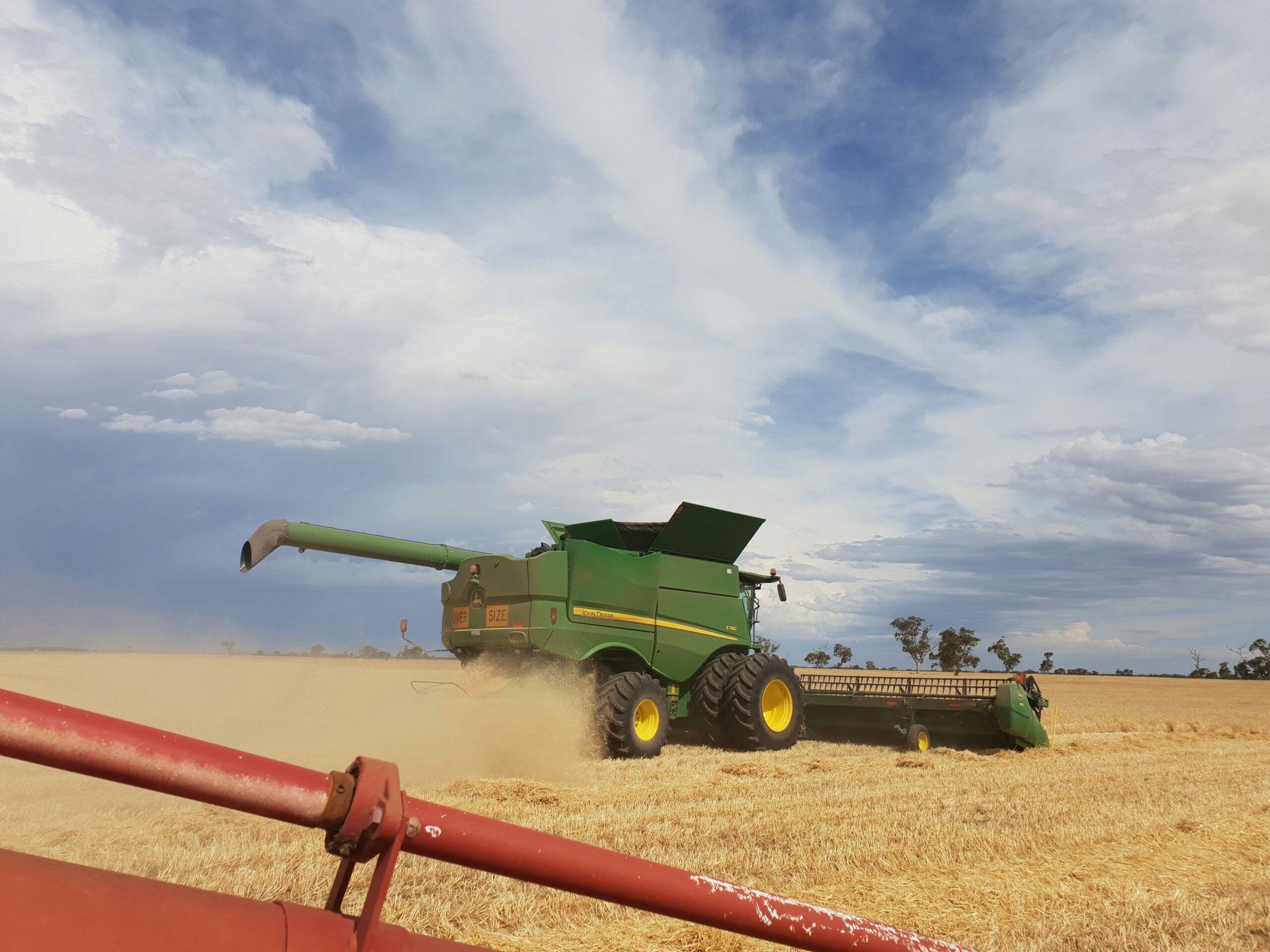
Once you move into machinery operation, your risk profile changes significantly.
This includes roles such as:
- Driving tractors
- Operating harvesters
- Fruit picking with machinery
- Working with agricultural machinery
These roles require training and responsibility, and machinery-related injuries are a key consideration in farm environments.
👉 Typical Work Pack: Work Pack 2
This level reflects the increased risk associated with operating equipment in rural and often unpredictable environments.
Dairy Farming
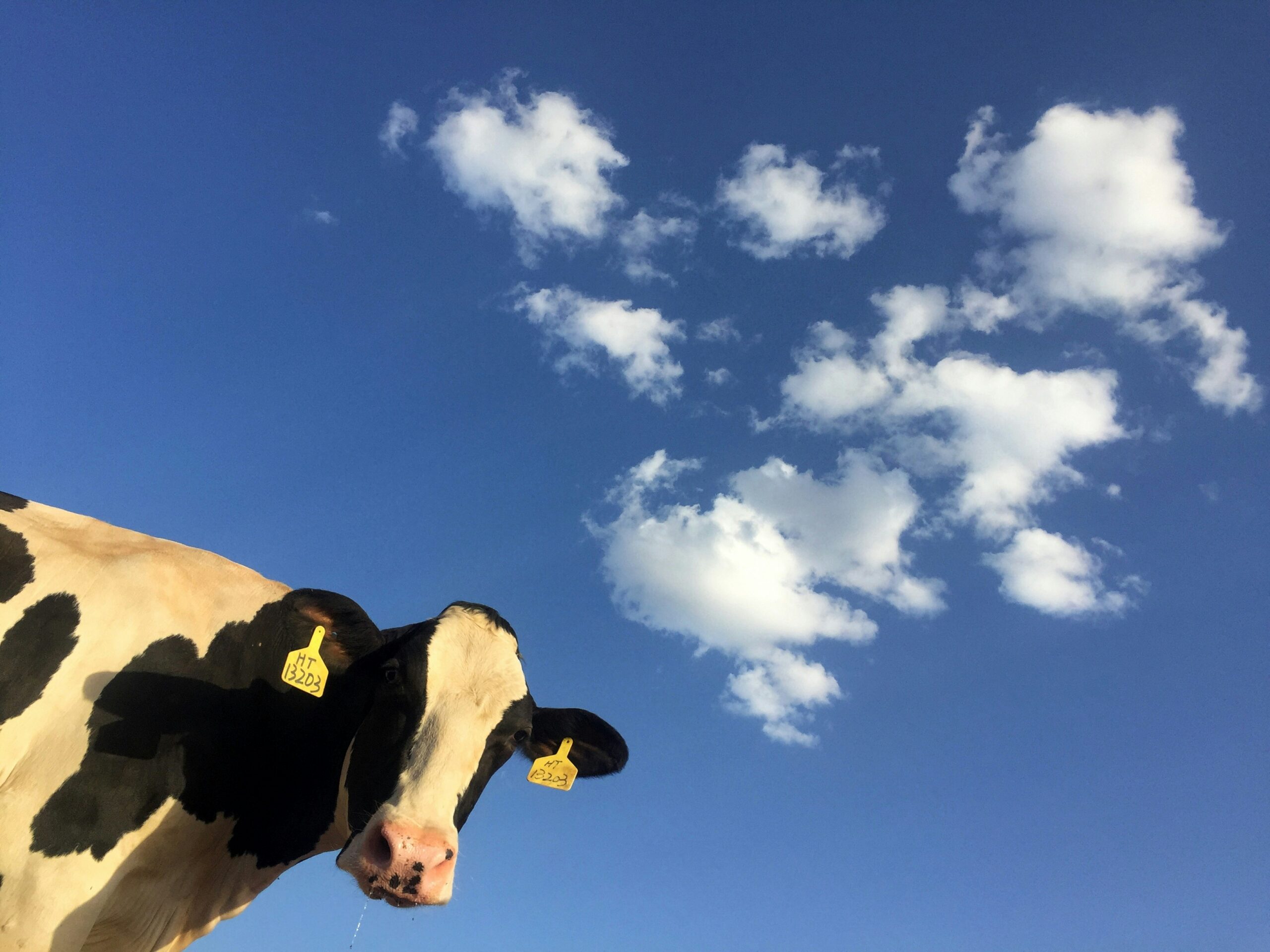
Dairy work is one of the most common long-term farm roles in New Zealand and parts of Australia.
Typical duties include:
- Milking cows (often early morning and evening shifts)
- Moving livestock between paddocks
- Cleaning and maintaining milking equipment
- General animal husbandry
Working closely with large animals carries its own risks, particularly in enclosed or high-pressure environments such as milking sheds.
👉 Typical Work Pack: Work Pack 2
Dairy farming is physically demanding and animal-focused, which is why it is often grouped alongside other higher-risk agricultural roles.
Sheep Shearing
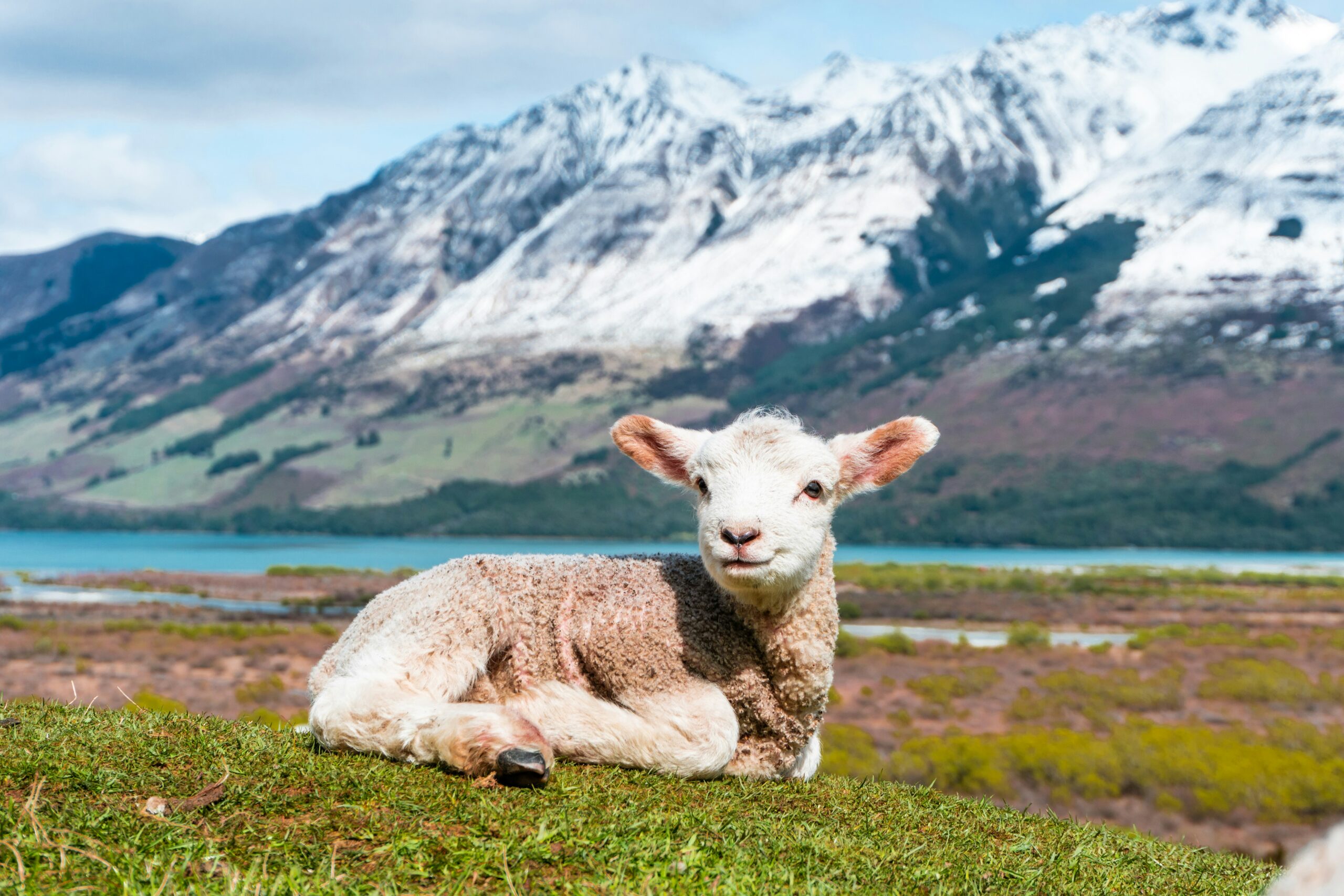
Sheep shearing is iconic in both Australia and New Zealand, but it’s also one of the more physically demanding farm jobs.
You might be:
- Shearing sheep at speed
- Handling sharp tools and machinery
- Working in repetitive, high-intensity conditions
- Supporting wool sorting and handling
The combination of tools, animals, and repetitive strain makes this a more specialised role.
👉 Typical Work Pack: Work Pack 2
If you’re heading into shearing work, it’s essential that your cover reflects the job’s physical demands.
Farm Supervisors & Livestock Workers
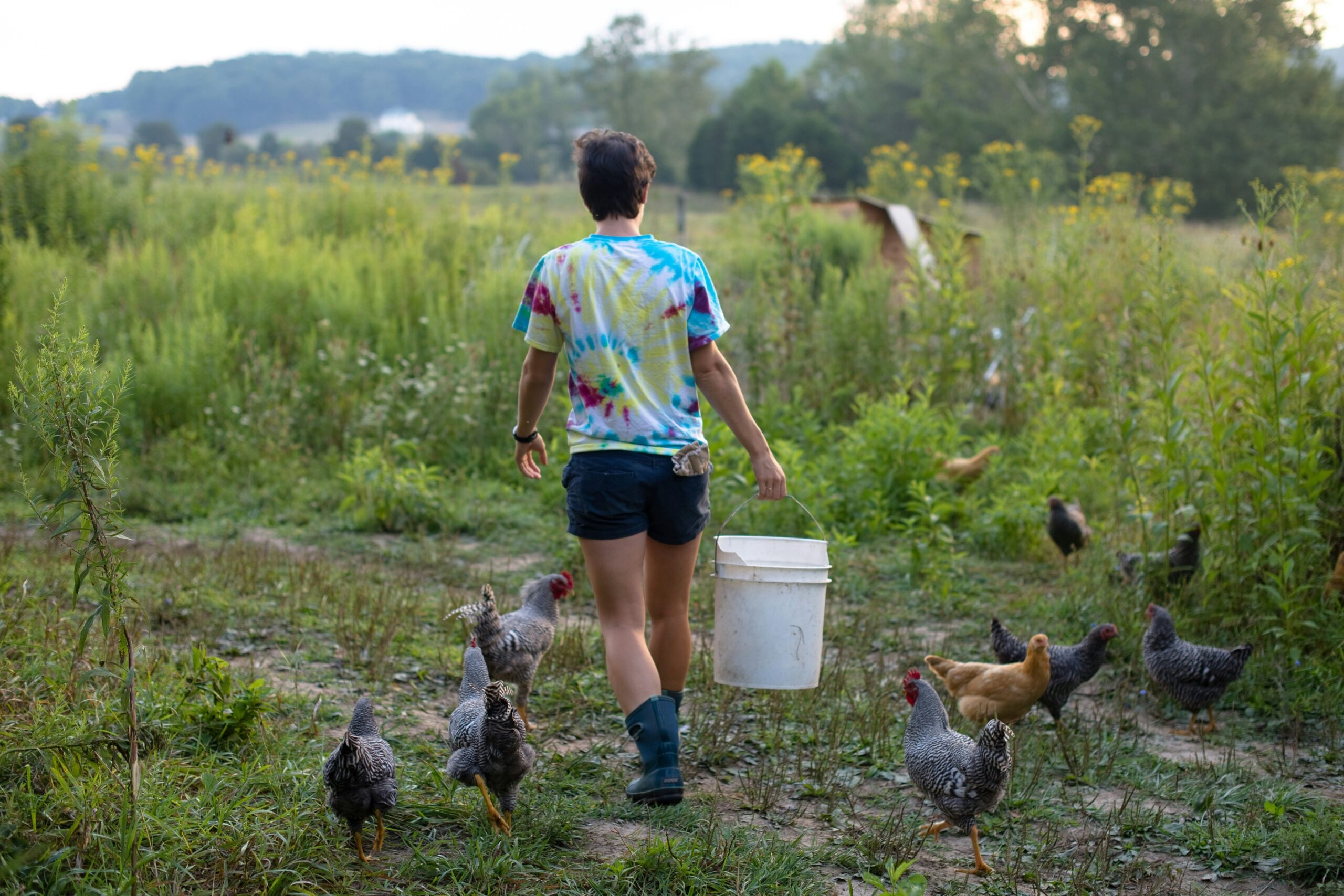
Some travellers progress into more senior farm roles, including:
- Farm management support
- Livestock coordination
- General oversight of operations
- Coordinating teams of seasonal workers
These roles often involve a combination of animal handling, machinery oversight, and responsibility for day-to-day farm operations.
👉 Typical Work Pack: Work Pack 2
Even though these roles may be less physically repetitive, the responsibility and exposure to farm environments keep them within the same category.
Up for a real adventure in South Africa working with animals? Be sure to check out Vets and Wildlife for more information and support.
Mustering Cattle on Horseback (The True Outback Experience)
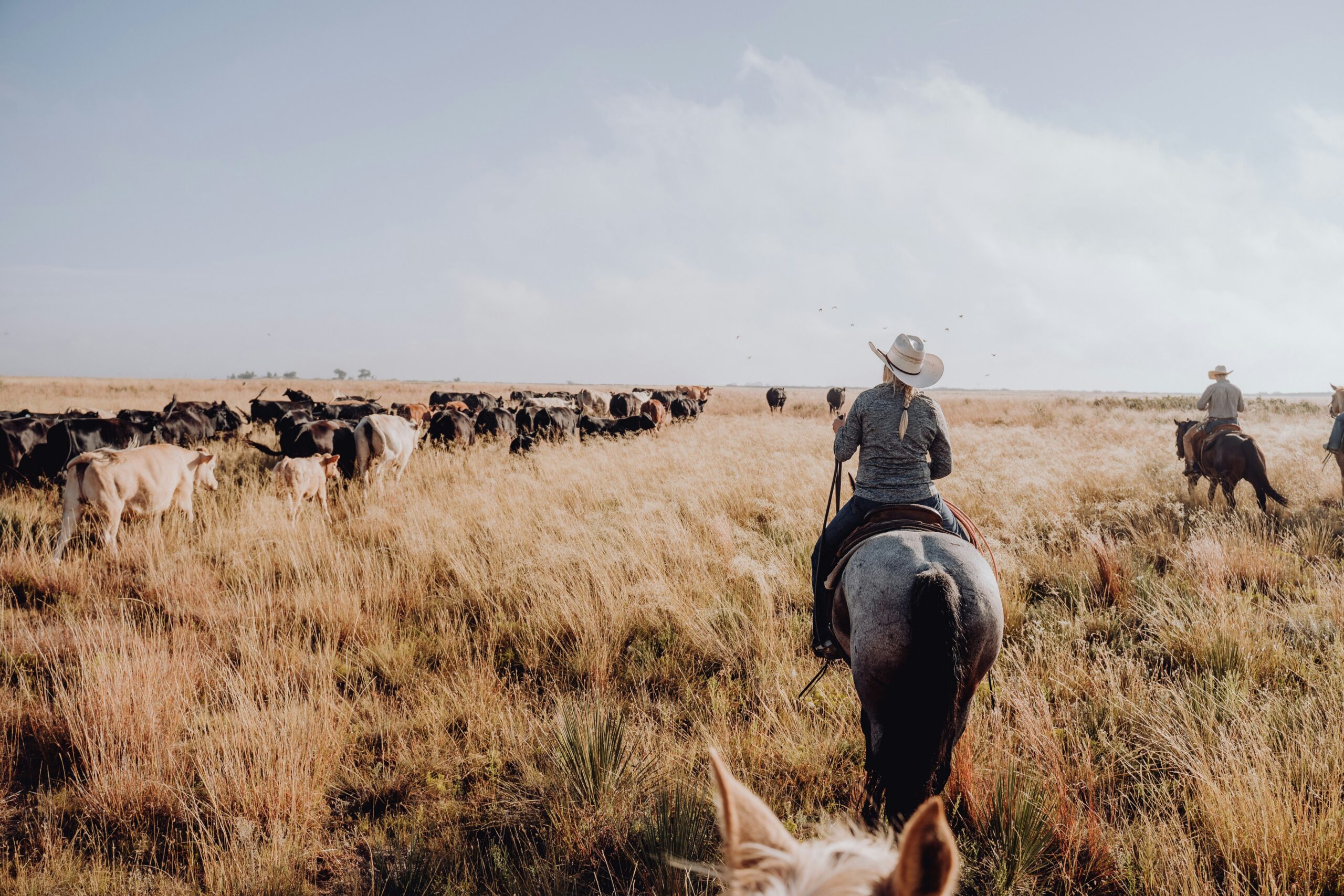
This is the role many travellers dream about and one of the most unique farm jobs available.
Mustering cattle on horseback can involve:
- Riding in open rural terrain
- Working with large herds of cattle
- Long hours outdoors in remote conditions
- Coordinating livestock movement across vast land
It’s iconic, adventurous, and physically demanding — but also one of the higher-risk agricultural roles due to the combination of horses, livestock, and terrain.
👉 Typical Work Pack: Work Pack 4
This is the highest level of cover in the farm work range and is designed for the most adventurous and demanding agricultural roles.
Quick Guide: Farm Job vs Work Pack
| Farm Job | Work Pack |
| Fruit picking | Work Pack 1 |
| General farm labour | Work Pack 1–2 |
| Tractor driving | Work Pack 2 |
| Harvest machinery | Work Pack 2 |
| Dairy farming | Work Pack 2 |
| Sheep shearing | Work Pack 2 |
| Farm supervision | Work Pack 2 |
| Fork lift truck driver or telehandler operator | Work Pack 3 |
| Cattle mustering on horseback | Work Pack 4 |
Before You Start Your Farm Job Abroad
Before you head off on your working holiday, it’s worth double-checking a few key things:
1. Confirm your exact role
Job titles can be vague. “Farm work” might sound simple, but the actual duties matter when it comes to insurance.
2. Be honest about machinery use
If you’ll be operating tractors or harvesters, make sure your policy reflects that.
3. Consider livestock exposure
Working with animals significantly changes risk levels.
4. Don’t assume standard travel insurance will cover you
Many policies exclude manual or agricultural work altogether.
5. Choose your Work Pack carefully
This is the most important step. It ensures you’re properly covered if something goes wrong.
Why Getting the Right Cover Matters
Farm work abroad is one of the most rewarding ways to experience Australia and New Zealand. It offers independence, adventure, and a completely different pace of life.
But it’s also physically demanding, often remote, and unpredictable.
Having the right travel insurance in place means you can focus on the experience without worrying about what might happen if you get injured, fall ill, or need medical assistance while working.
Ready to Head to the Farm?
Whether you’re planning a few weeks of fruit picking or a full season working with livestock, making sure your insurance matches your job is essential.
Go Walkabout’s Work Pack system is designed to give you cover that fits your role, so you can travel, work, and explore with confidence.
Explore Go Walkabout Working Holiday Insurance to find the right Work Pack for your trip.
Related posts
10 Best Countries to Teach English Abroad: A TEFL Guide
29 September 2024Read more
News | Travel TipsBudget-Friendly Easter Getaways: Travel Smart and Save
20 March 2025Read more
Places to Visit | Travel Tips | Worldwide TravelA Lille bit of festive fun!
12 December 2017Read more
Places to Visit | Worldwide TravelFrom Disney to the Keys: Discover the Best of Florida
21 November 2025Read more