News
How Do Ski Resorts Prepare for the Ski Season?
20 October 2026

For skiers and snowboarders, the start of the season can feel wonderfully simple. The lifts start turning, the pistes open, and suddenly it’s time to clip in and head up the mountain. But how do ski resorts prepare for the upcoming season?
Getting a ski resort ready for its first guests is anything but simple. If you’ve ever wondered how ski resorts prepare for the ski season ahead of time, here’s how.
Long before the first skiers arrive, teams work across the mountains to prepare pistes, test lifts, make and store snow, check safety equipment, and get everything from ski schools to restaurants ready for the winter season.
And with some resorts opening as early as October, that preparation needs to start well before the first flakes of winter arrive.
So, how do ski resorts prepare for the ski season? Here’s a look behind the scenes!
When does ski resort preparation begin?
You might assume ski resorts start getting ready once autumn arrives, but they can begin preparing for the next season while the previous one is still underway.
During and after the winter, resorts assess what worked well, what needs repairing and where improvements are needed. Lifts and other mountain infrastructure need regular maintenance, while pistes may need work after months of skiing, snow grooming and changing weather conditions.
Then there’s the snow. We argue this is the most important piece of the puzzle!
Resorts increasingly have to think carefully about how they will maintain reliable skiing conditions throughout the season, particularly at lower elevations where temperatures can be less predictable.
This means preparing snowmaking systems, monitoring weather forecasts and, in some places, finding clever ways to save snow from one winter for the next.
Some resorts actually save snow from the previous winter
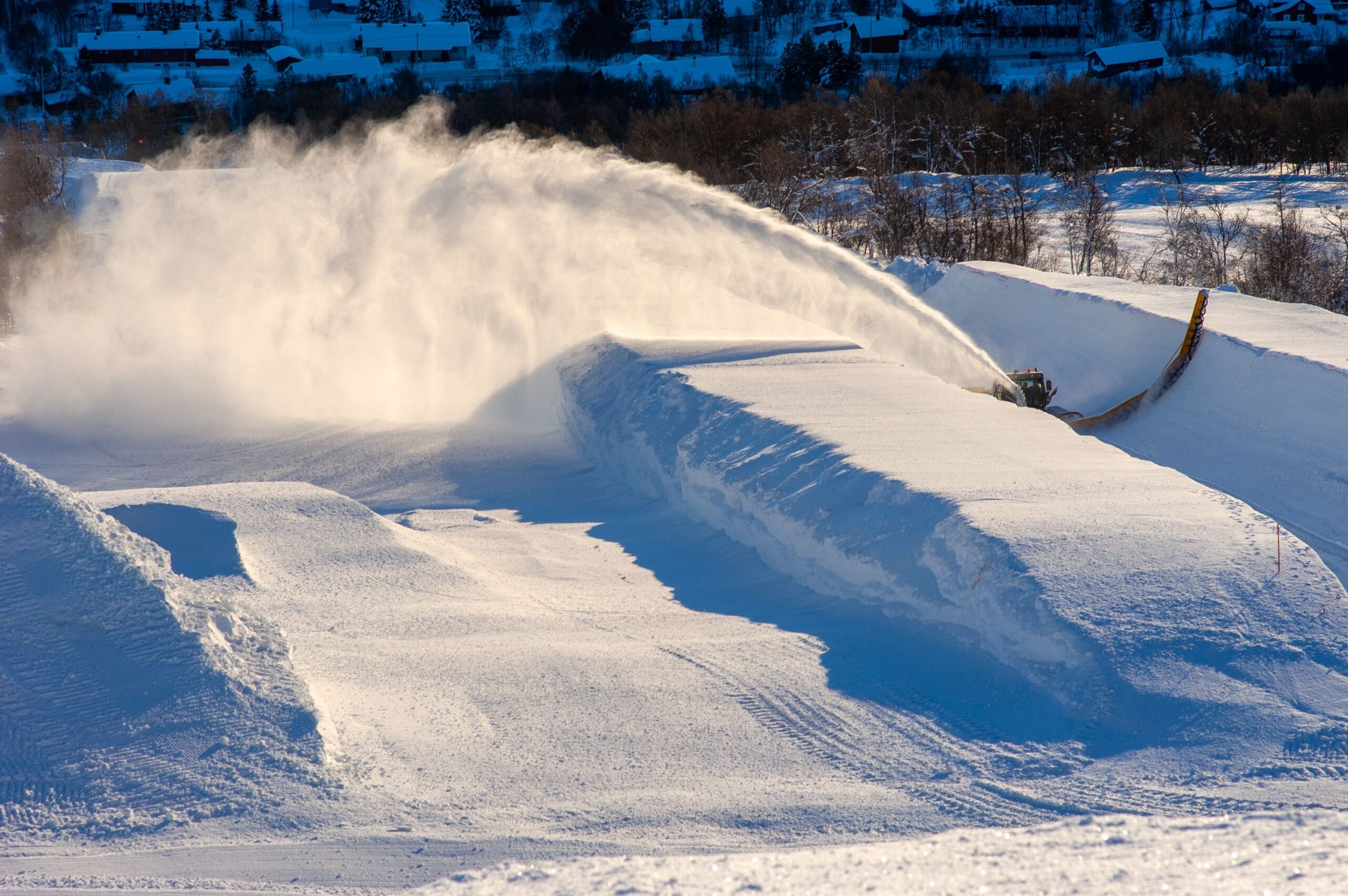
One of the more surprising parts of ski resort preparation is snow farming. Yes, you read that right. Snow farming is a careful technique that collects, compacts, and stores winter snow under protective insulation so it survives summer heat.
Rather than relying entirely on fresh snowfall at the start of the season, some resorts use snow farming and store snow over the summer so they can use it when winter returns.
How Does Snow Farming Work?
Some resorts create large piles of snow toward the end of the season and then cover them with insulating materials. These can include specialised mats, fleece or layers of sawdust and wood chips, depending on the resort.
The insulation slows melting during the warmer months, allowing a significant amount of snow to survive until autumn.
As the new season approaches, resorts can uncover the stored snow and transport it onto key sections of piste.
In Finland, for example, Ruka uses snow farming to preserve snow over summer before spreading it across the slopes in autumn. Meanwhile, Sun Peaks in Canada has used insulated snow storage to preserve large volumes of snow, with the resort reporting that around 80–85% of its stored snow can survive the summer.
It might sound strange to worry about next winter while you’re still skiing this one, but storing snow can give resorts a useful head start as temperatures drop.
Getting the snowmaking systems ready
Natural snowfall is obviously a major part of skiing, but modern ski resorts don’t leave everything to Mother Nature.
Snowmaking systems are an important part of slope preparation, especially at the start of the season. Before winter, snow guns, pumps, pipes and water systems need to be checked and maintained so they’re ready to go when conditions allow.
Snowmaking also isn’t as simple as switching on a machine whenever a resort needs more snow. Temperature and humidity both affect whether snow can be produced efficiently.
When conditions are right, snowmaking can help create a reliable base layer across important parts of the mountain, including pistes, lift areas and routes back into the resort. It’s particularly useful early in the season, when natural snowfall may still be limited.
Preparing the pistes
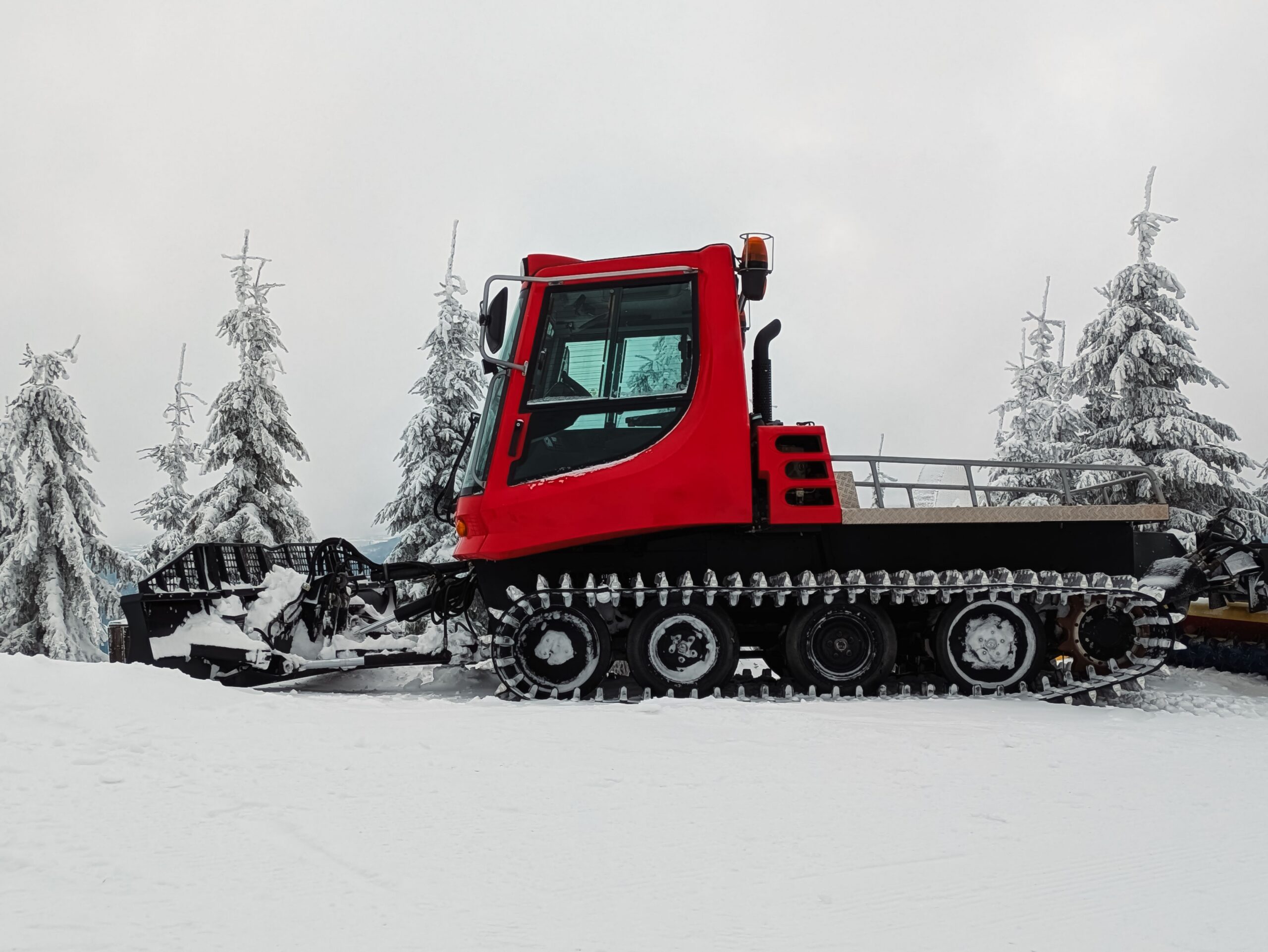
Once there is enough snow on the mountain, the work isn’t finished.
Piste teams use specialist machinery to move, distribute and compact snow across the slopes. Grooming machines create the familiar corduroy pattern you see on freshly prepared pistes, while also helping to create a consistent skiing surface.
Teams also need to inspect the terrain.
Over the summer, vegetation can grow, rocks and debris can become exposed, and sections of the mountain may need maintenance. Piste markers, signs, fencing and safety equipment all need to be put back in place before the slopes open.
It’s not simply about making the mountain look good.
Preparing a solid snow base helps protect the terrain underneath and gives skiers and snowboarders a more consistent surface.
Checking the lifts
The ski lifts are a huge part of the pre-season checklist.
Chairlifts, gondolas, cable cars, and other mountain transport systems need regular inspections and maintenance before they can carry passengers again.
Teams must check mechanical components, cables, safety systems, and lift stations, while also preparing for the practical challenges winter weather brings.
Once snow arrives, getting people and equipment around a mountain becomes considerably more complicated. That’s why so much of this work must be done before the first major snowfall.
After all, there’s little point in having a perfectly prepared piste if nobody can get to the top!
Avalanche and mountain safety
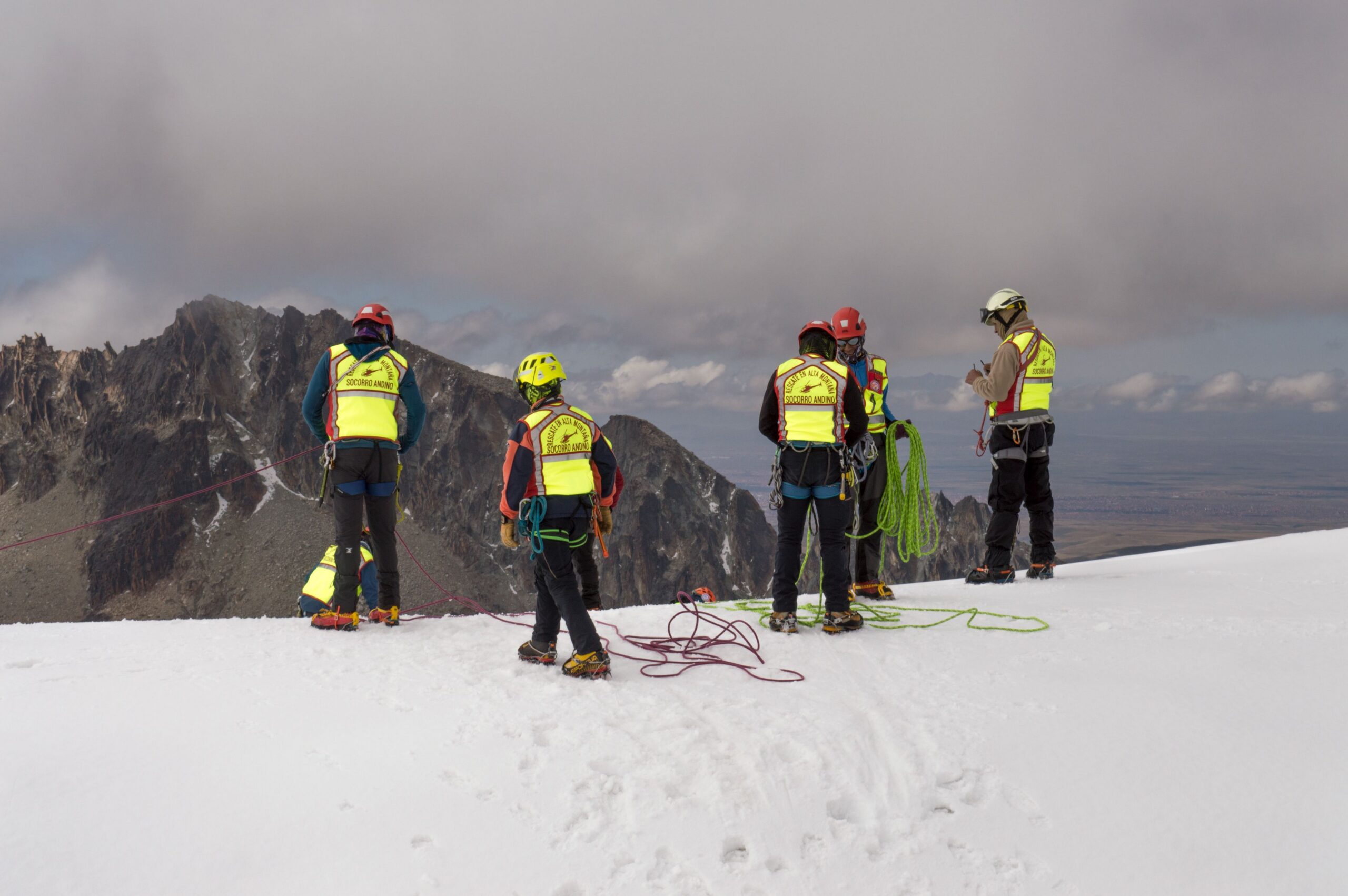
Mountain safety teams need to understand how snow and weather conditions are developing before deciding whether to open particular areas. This behind-the-scenes work is crucial for every snow resort.
That means monitoring the snowpack, weather forecasts, and avalanche risk, and assessing individual pistes and mountain areas.
Ski patrol teams also prepare their equipment and procedures for the season, ready to respond to incidents on the mountain. This is one reason why an advertised opening date isn’t always a guarantee.
A resort might have plenty of snow but still delay opening certain slopes or lifts if conditions aren’t safe.
Getting the people ready
Of course, ski resorts aren’t just mountains and machinery. Hundreds, sometimes thousands, of people may work across a resort during the winter season. Ski instructors, lift operators, ski patrol, piste teams, restaurant staff, accommodation providers, rental shops, and transfer companies all need to be ready for visitors’ arrival.
Seasonal staff return to their snow jobs, check equipment, and complete training before the busy winter months begin.
For visitors, this is the part of the preparation you’ll notice most. The ski hire shop is open, your instructor is ready for your lesson, the mountain restaurant is serving lunch, and someone is there to get the lifts running in the morning.
But all of that relies on months of behind-the-scenes preparation.
How do ski resorts prepare for the 2026/27 season?

For the 2026/27 ski season, some European resorts are getting started surprisingly early.
Breuil-Cervinia in Italy is scheduled to open from 24 October 2026, while Saas-Fee in Switzerland is scheduled to open from 1 November 2026.
Many major French and Swiss resorts open in late November, with more following as December approaches.
Of course, opening dates depend on snow and weather conditions, so it’s always worth checking directly with your resort before travelling.
2026/27 ski season opening dates to know
| Resort | Planned opening |
| Breuil-Cervinia, Italy | 24 October 2026 |
| Saas-Fee, Switzerland | 1 November 2026 |
| Major French and Swiss resorts | Generally late November onwards |
Early-season skiing can be particularly exciting, but conditions can also be more changeable. A resort may initially have a limited number of pistes and lifts operating, with more opening as snow conditions improve.
Heading out for opening week? Don’t forget your travel insurance!
Now we know how ski resorts prepare for the season, what about you? If you’re planning an early-season ski trip, it’s easy to get caught up in the exciting parts of your holiday: booking accommodation, choosing your ski pass and deciding which pistes you’ll tackle first.
But travel insurance should be on your pre-trip checklist too.
Skiing and snowboarding carry risks you don’t usually face on a city break, so make sure your policy includes appropriate winter sports cover.
Depending on your policy, this can protect you against emergency medical treatment, mountain rescue, cancellation, and lost or damaged ski equipment. If you plan to ski away from marked pistes, in terrain parks, or in other areas where additional restrictions may apply, it’s also important to check the terms and conditions.
A few minutes spent checking your cover before you travel could make a big difference if something goes wrong on the mountain.
Ready for the ski season?
When you see those first freshly groomed pistes, remember the work behind them started months earlier. From storing snow under enormous insulated mats to testing lifts, preparing avalanche safety plans and getting hundreds of seasonal workers ready, opening day is the final step in a huge amount of preparation.
So, whether you’re heading out in October for the season’s first turns or waiting for the deeper snow in January, there’s much more going on behind the scenes than meets the eye.
Now all that’s left is to get your skis packed and hope for a great season!
Related posts
Why Escaping to the Sunshine This Winter Could Be the Best Thing You Do for Your Health
28 October 2025Read more
Travel Insurance | Travel Tips | Working Holiday | Worldwide TravelGap Year Travel – A Parent’s Guide 2018 – FREE Resource!
15 May 2018Read more
Special EventsOur fun “Pirate Insurance Policy” to celebrate Hastings Pirate Day 2013
4 July 2013Read more
Travel InsuranceHow could our Working Holiday policy work for you?
11 June 2015Read more