News
Working in South East Asia: How to Find Jobs, Teach English & Travel Further
26 August 2026
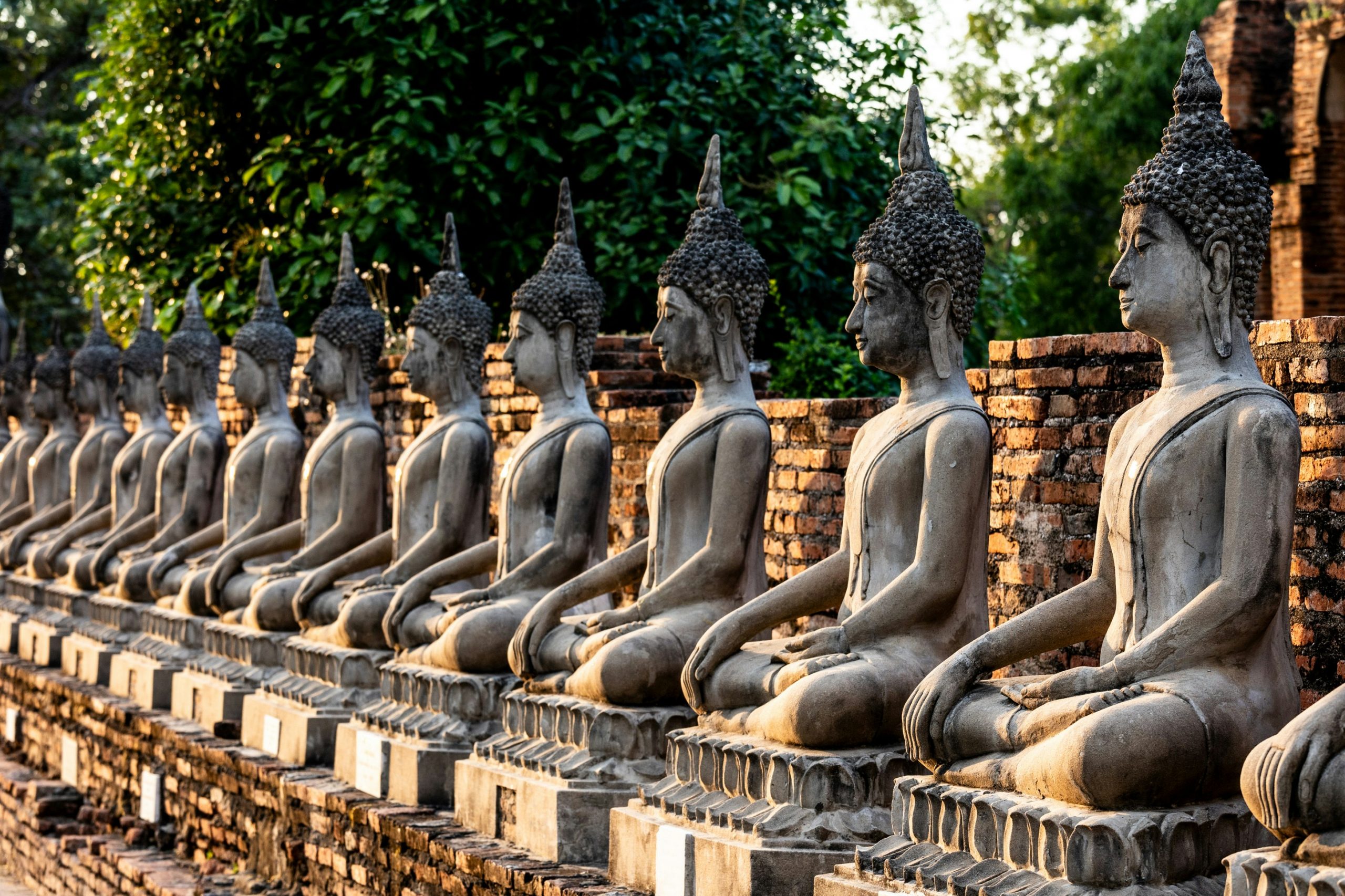
South East Asia has long been a favourite destination for backpackers, gap-year travellers and young people looking to experience life somewhere completely different. With beautiful beaches, buzzing cities, incredible food and a relatively low cost of living in many destinations, it is easy to see the appeal.
But what if you don’t want your trip to end when your savings start running low?
Working in South East Asia can extend your travels while giving you valuable experience. From teaching English in Thailand to working in hospitality in Vietnam, travellers with a range of skills and experience can find opportunities.
However, working abroad in South East Asia isn’t quite as simple as arriving with a backpack and finding a job. Visa requirements, work permits, qualifications and insurance can all vary depending on where you go and what you plan to do.
If you’re considering combining work and travel, here’s what you need to know about working in South East Asia.
Can you work in South East Asia?

Yes, but the rules depend on the country, your nationality, the type of work you want to do and the length of your stay.
This is one of the most important things to understand before you start looking for a job. A tourist visa does not automatically give you permission to work, even if the job is temporary or you plan to work for only a few weeks.
Some travellers arrange a job and the appropriate paperwork before leaving the UK. Others use structured placement programmes that help match them with an employer and provide support before and during their time overseas.
Always check the current immigration and employment requirements for your chosen destination before accepting work. Rules can change, and working without the correct permission could result in fines, deportation or problems entering the country in future.
For many travellers, though, the opportunity to work overseas is about more than simply earning money. It can be a chance to develop your CV, gain international experience and experience everyday life in a country rather than seeing it purely as a tourist.
Teaching English in South East Asia
Teaching English is one of the best-known ways to work abroad in South East Asia, especially for graduates and travellers willing to spend several months in one destination.
Thailand and Vietnam are both popular choices for people who want to combine teaching with travel, although exact qualifications and visa requirements vary by country and employer.
Working abroad as an English teacher offers growth, experience and often a decent salary to live on in paradise.
What qualifications do you need to teach English?
The qualification requirements depend on the country and the school.
A university degree is commonly requested for many teaching roles, while a recognised TEFL qualification can make you a much stronger candidate. Some programmes also provide TEFL training as part of the placement.
For example, Placement Year International offers paid teaching placements and includes a 120-hour TEFL course with its teaching programme, meaning previous teaching experience isn’t necessarily required.
If you’re considering teaching as a career rather than simply a way to fund travelling, an overseas placement can also provide useful classroom experience and help you decide whether teaching is something you want to pursue long term.
What is it like to teach in South East Asia?
Teaching abroad can look very different depending on your employer and location.
You might find yourself working in a large city school, a smaller local school or a language centre. Your working week could involve planning lessons, teaching classes, marking work and taking part in school activities.
The biggest adjustment can be cultural. Classroom expectations, teaching styles and relationships between teachers and students may be different from what you’re used to in the UK.
That is part of the appeal for many people and what makes some countries the best places to teach English abroad.
You aren’t simply visiting another country. You’re becoming part of a local community and learning how people live, work and communicate.
Working in Hospitality

Teaching isn’t the only option when working in South East Asia.
South East Asia has a huge tourism and hospitality industry, creating opportunities across hotels, resorts, restaurants, events and tourism. In fact, our travel writer and content creator, Abi, worked in Indonesia for 4 years as the Operations Manager for the region’s leading surf camp!
Thailand and Vietnam are particularly interesting destinations for travellers looking for hospitality experience. Placement Year International currently offers paid hospitality placements in both countries, with roles ranging from front-of-house and guest relations to food and beverage and other hotel departments.
Hospitality can be particularly useful if you’re studying tourism, hospitality or a related subject and want to add international experience to your CV.
It can also be a good option if you’re already working in hospitality in the UK and want to experience the industry somewhere completely different.
A structured placement can offer a more reliable route into overseas work than simply arriving and hoping to find a vacancy. Equally, talking to people who have been there and done that is another great way to find your way.
Bar and Restaurant Work
If you’re travelling independently, you may also come across opportunities in bars, restaurants, beach clubs and other tourist businesses.
Bartending, waiting tables, kitchen work and customer service can all sound appealing if you’re looking for a job that allows you to meet other travellers and experience the nightlife and social side of your destination.
However, don’t assume that because a bar or restaurant is advertising for foreign workers, you can legally take the job.
Working in the informal economy is common in some backpacker destinations, but that doesn’t mean it is legal. Always check whether your visa and work permit allow you to work before accepting a position – even if it’s just in exchange for food and accommodation!
It’s also worth thinking carefully about the type of establishment and the hours involved. If you’re working late nights, make sure you have safe transport back to your accommodation and that your travel insurance covers the work you’re doing.
Hostel Work and Housekeeping
Another common option you may encounter while travelling is work in hostels, hotels and guesthouses. Similar to bar and restaurant work, this is also very typical in backpacking destinations.
Housekeeping, reception, cleaning, maintenance and guest activities can all be part of the hospitality sector.
Some backpackers also come across work-exchange arrangements where they receive accommodation or other benefits in return for a certain number of hours of work.
These arrangements can sound like an easy way to reduce your travel costs, but it’s important to understand the difference between volunteering, work exchange and employment. An arrangement being described as an ‘exchange’ doesn’t necessarily mean it is exempt from local immigration or employment rules.
Before agreeing to anything, establish exactly what you’re expected to do, what you’re receiving in return and whether you have the legal right to carry out the work.
Professional Placements in South East Asia
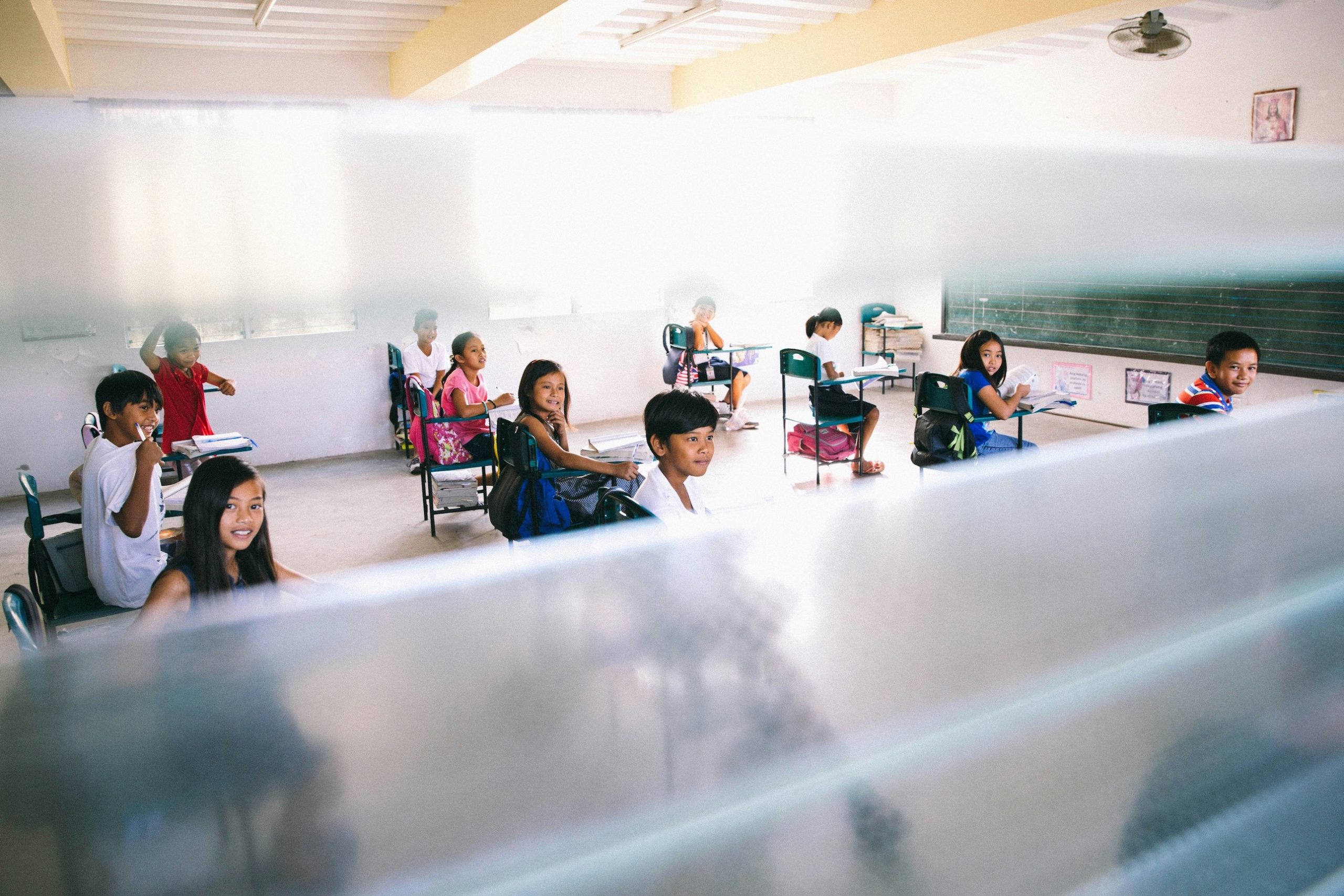
Working abroad doesn’t have to mean taking a short-term backpacker job.
For university students and graduates in particular, South East Asia can be an opportunity to gain professional experience in an international workplace.
Business, hospitality, tourism, sports and teaching placements can all provide experience that could strengthen your CV while giving you the chance to live overseas.
For example, Placement Year International arranges professional placements in Thailand and Vietnam, including hospitality opportunities, while its wider programmes cover business, hospitality, sports and teaching.
If you’re interested in taking this route, you can explore the opportunities available through Placement Year International.
A structured placement may be particularly appealing if you’re nervous about arranging everything independently. Depending on the programme, you may have support with finding a host organisation, preparing for your placement and settling into life overseas.
Where Are The Best Places to Work in South East Asia?
There’s no single best destination. The right choice depends on the type of work you want, your qualifications and the kind of lifestyle you’re looking for.
Thailand
Thailand is one of the most popular destinations for travellers in South East Asia, offering a mixture of huge cities, islands, beaches and rural areas.
It is also a popular destination for overseas teaching and hospitality placements. Placement Year International, for example, offers teaching, hospitality, business and sports placements in Thailand.
Bangkok could suit someone looking for a busy city environment and access to a large international community, while coastal destinations offer a very different lifestyle.
Vietnam
Vietnam is another increasingly popular choice.
From Hanoi and Ho Chi Minh City to coastal destinations such as Da Nang and Nha Trang, there are plenty of different environments to choose from.
Vietnam can be a particularly interesting option for anyone looking for hospitality experience. Placement Year International currently offers paid placements with hotels in locations including Hanoi, Ho Chi Minh City, Da Nang and Nha Trang.
Other South East Asian Destinations
Thailand and Vietnam aren’t the only countries travellers consider.
Cambodia, Indonesia, Malaysia, the Philippines and Laos can all feature in longer South East Asian travel itineraries. However, opportunities for foreign workers, visa requirements, and employment restrictions vary considerably.
Don’t choose a destination simply because you’ve heard that other backpackers found work there. Research the legal requirements and employment market before making your plans.
How To Find Work In South East Asia

Once you’ve decided where you want to go, you have several options for finding work.
Apply before you leave
Applying before you leave is often the best option if you want the reassurance of having something arranged in advance.
You can research employers directly or use a placement provider that specialises in overseas work.
This can be particularly useful for teaching and professional placements, where you’ll need to meet specific requirements and may need paperwork arranged before you arrive.
Find work once you’re there
Some travellers prefer to arrive first and look for opportunities locally in person.
This gives you the chance to explore different destinations and get a feel for where you would actually like to live before committing to a job.
However, this approach comes with more uncertainty. You could spend several weeks looking for work, and you still need to make sure you have the correct immigration status and permission to work.
Don’t book a long-term job based solely on something you saw advertised in a hostel or Facebook group. Research the employer and make sure the arrangement is legitimate.
Use a placement provider
For travellers who want the experience of working overseas without organising every element themselves, a placement provider can offer another route.
This can be particularly useful for students and recent graduates who want their time abroad to provide genuine professional experience.
The benefit is that you aren’t simply looking for any job. You can potentially find a placement related to your existing skills, studies or career ambitions.
What About Visas And Work Permits?
Visas and work permits are the part you shouldn’t leave until you arrive.
Every country has its own immigration and employment rules, and these can vary depending on your nationality and the type of work you want to do.
A tourist visa and a work visa are not interchangeable.
You may also need a work permit or other authorisation from the relevant authorities. In some cases, your employer will be responsible for helping with this process.
Before travelling, check:
- Whether your chosen country allows foreign nationals to work
- Which visa you need
- Whether you need a separate work permit
- Whether your employer needs to sponsor you
- Whether your qualifications need to be recognised
- How long you’re allowed to work
- Whether you can travel in and out of the country during your employment
Always use official government or immigration sources for the latest information.
Don’t Forget Travel Insurance When Working Abroad

Travel insurance becomes even more important when your trip involves employment.
A standard travel insurance policy isn’t necessarily designed to cover every type of work. The work you’re doing can affect whether you’re covered for medical expenses, personal liability, equipment and other risks.
For example, teaching in a classroom is very different from working in a commercial kitchen, doing manual work, or taking part in certain sports and leisure activities.
When arranging your working holiday insurance, tell your insurer exactly what you plan to do.
Don’t assume that because you’re travelling in South East Asia as a backpacker, any work you take on will automatically be covered.
You should also think about what happens outside your working hours. Your trip may include diving, trekking, motorbike travel, watersports, or other activities with their own insurance requirements.
The cheapest policy isn’t necessarily the best option if it doesn’t cover the things you actually plan to do.
How Much Money Do You Need To Work And Travel In South East Asia?
One of the biggest attractions of working in South East Asia is that earning money while travelling can help your savings last longer.
But you shouldn’t arrive expecting your first pay cheque to cover everything right away.
You’ll need money for flights, accommodation, food, transport, insurance and any visa or work-related costs. You may also have a period between arriving and starting work.
Create a realistic budget before you leave and keep an emergency fund separate from your day-to-day spending. Remember that local wages can differ greatly from UK salaries. The aim of working abroad isn’t necessarily to earn the equivalent of what you would make at home.
For many travellers, the real value comes from being able to spend longer overseas, gain experience, and enjoy a completely different lifestyle.
Is Working in South East Asia Worth It?
For the right traveller, absolutely.
Working abroad can turn a few weeks of backpacking into several months of living overseas. It can introduce you to people you would never meet as a tourist, deepen your understanding of another culture, and build valuable skills for your future career.
Teaching English can offer a rewarding experience for graduates who enjoy working with people. Hospitality can be a great fit for anyone interested in tourism or hotel management. Professional placements can also help students and graduates build experience that goes beyond the typical backpacker CV.
The key is to plan carefully.
Research the country. Understand the visa requirements. Find out what qualifications you need. Check whether your work is legally permitted. And make sure your travel insurance covers the activities and employment you’re planning.
Then you can concentrate on the best part: experiencing life in South East Asia rather than simply passing through it.

FAQs: Working in South East Asia
Can I work in South East Asia on a tourist visa?
Generally, you should not assume that a tourist visa allows you to work. Immigration and employment rules differ between countries, so check the specific requirements for your destination before accepting any job.
What is the best job for working in South East Asia?
Teaching English is one of the most popular options for qualified graduates, while hospitality, tourism and professional placements can offer other routes. The best option depends on your qualifications, experience and the country you want to live in.
Do I need a degree to teach English in South East Asia?
Requirements vary by country and employer. Some teaching positions require a degree, while others may have different criteria. A TEFL qualification can also be useful and, in some cases, essential.
Can I work in a hotel in Thailand or Vietnam?
There are opportunities for foreign workers in the hospitality sector, but you need to check the relevant visa and work permit requirements. Structured placement programmes can help you arrange legitimate hospitality work before travelling.
Can I work in a bar while backpacking in South East Asia?
You should never assume that bar work is permitted under your immigration status. Check the local rules and make sure you have the correct permission to work before accepting paid employment.
Does travel insurance cover working abroad?
It depends on the policy and the type of work you’re doing. Always tell your insurer about your employment and check that your policy provides the appropriate cover before you travel.
Can I work and travel around South East Asia?
Potentially, but you’ll need to consider the immigration requirements of every country where you intend to work. A work permit in one country will not automatically give you permission to work elsewhere in the region.
Is working in South East Asia good for your CV?
It can be. International work experience can demonstrate adaptability, communication, independence and cultural awareness, while a professional placement can provide direct experience in your chosen industry.
Related posts
Winning Reinventions! Our Travel Writing Competition Results
27 March 2014Read more
Older TravellersOver 50 Holiday: 4 Reasons Why Travel Is So Important In The Golden Years
23 August 2024Read more
Places to Visit | Topical UK Stories | Travel News | UK TravelCats make the purrrfect tour guides!
Happy April 1st – but we wish this were true!
Read more
Travel TipsAustralian tourism boom!
17 May 2019Read more