News
10 Best Adventure Travel Destinations Around The World (& Travel Insurance To Keep Up)
29 September 2026

Some holidays are about deciding whether to have another cocktail by the pool. Then there are the holidays where you’re trekking through the Himalayas, diving beneath the waves or preparing to jump out of a perfectly good aeroplane. So what is adventure travel all about?
Adventure travel is all about getting out of your comfort zone and experiencing somewhere in a completely different way. And for many travellers, the more adventurous the trip, the better.
But adventure can also come with a few extra risks. Injuries, medical emergencies, cancelled trips and lost equipment can become much more complicated when you’re thousands of miles from home.
That’s where adventure travel insurance comes in.
Whether you’re planning to hike to Machu Picchu, trek to Everest Base Camp or try your hand at skydiving, it’s important to check exactly what your travel insurance covers before you go. Activity cover is a must for sports and activities.
Here are 10 unforgettable adventure experiences around the world and the insurance considerations you should know about before adding them to your bucket list.
1. Trekking to Machu Picchu, Peru
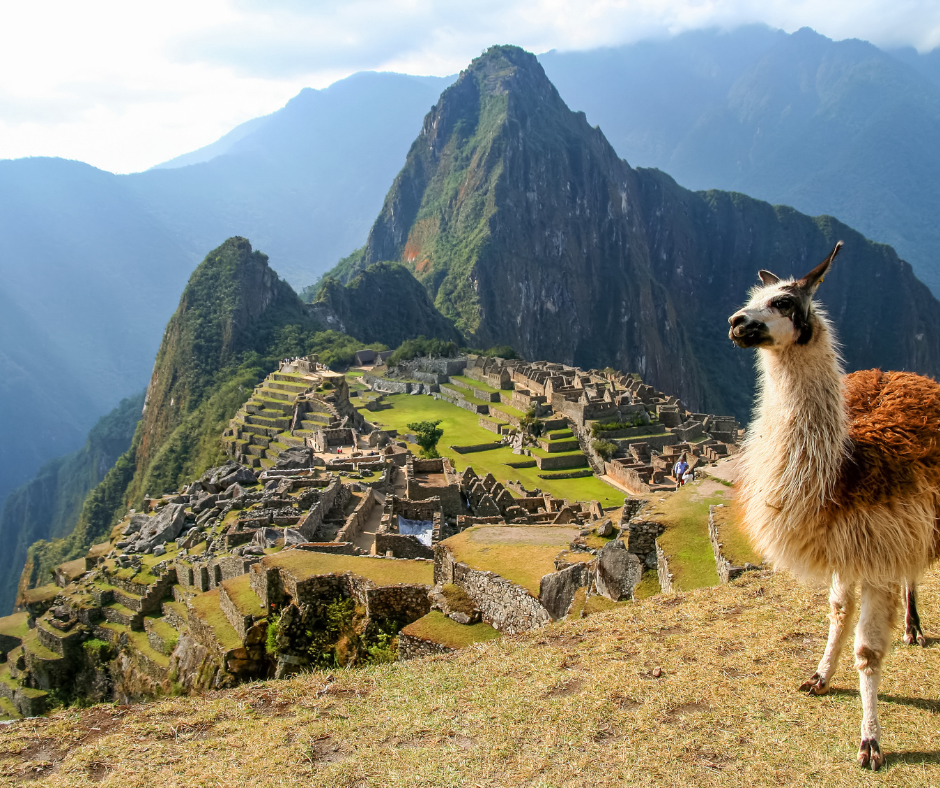
Few adventures are more iconic than following an ancient trail through the Peruvian Andes before arriving at Machu Picchu.
The classic Inca Trail takes you through spectacular mountain scenery, cloud forest and archaeological sites, eventually reaching the famous Sun Gate overlooking the ruins.
But this isn’t simply a sightseeing walk.
You’ll hike at altitude, often over challenging terrain, for several hours a day. Depending on the route you choose, you may also spend several nights away from the comfort of a hotel.
Insurance check
When looking for travel insurance for trekking, check whether your chosen route, altitude and type of activity are covered.
Altitude can be particularly important. Some travel insurance policies have maximum altitude limits, while others may have specific requirements for trekking or mountaineering.
It’s also worth checking what happens if you become ill or injured while you’re away from the main tourist areas. Emergency medical assistance and repatriation can be particularly valuable when you’re travelling somewhere remote.
Top tip: Don’t just tell your insurer that you’re going to Peru. Make sure they know about the activities you plan to do.
2. Trekking to Everest Base Camp, Nepal
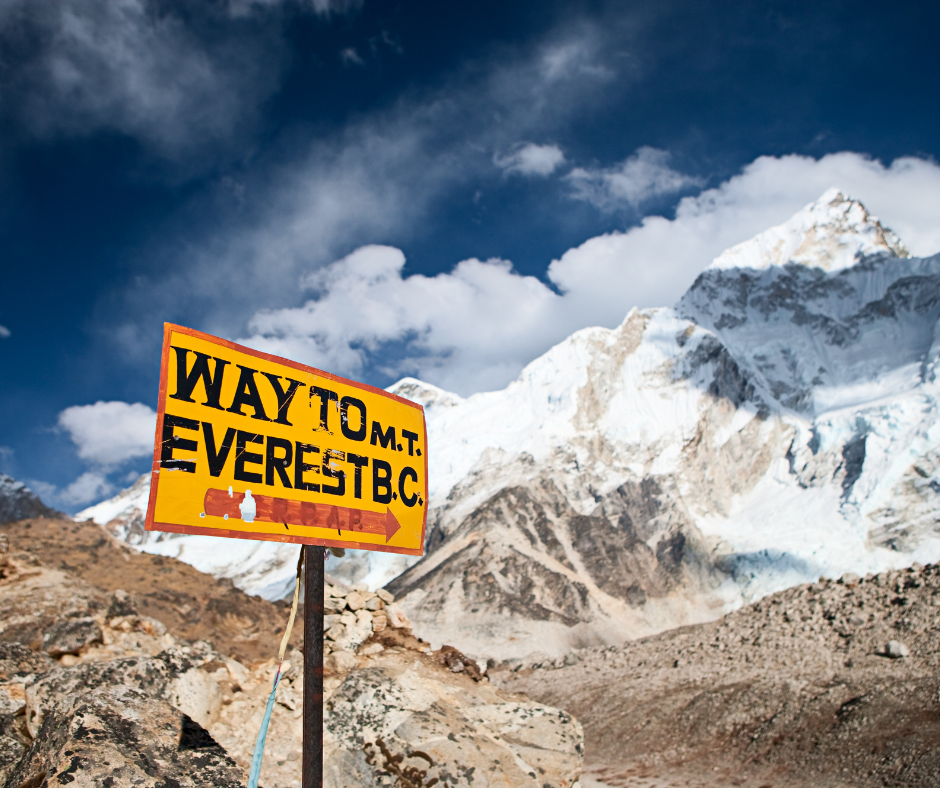
Everest Base Camp is one for the serious adventure bucket list.
You don’t need to climb Mount Everest itself to experience the Himalayas. The trek to Base Camp takes you through mountain villages, Buddhist monasteries and some of the world’s most spectacular scenery.
It is, however, a serious high-altitude trek. The highest point of the standard route is over 18,000 feet (5,500 metres), making altitude one of the biggest considerations for anyone planning the journey.
Insurance check
Travel insurance for Everest Base Camp needs particularly careful consideration.
Check the maximum altitude covered by your policy and whether trekking at that altitude is included. Also check the medical and emergency evacuation cover available. If you’re seriously unwell at high altitude, getting medical assistance may not be as straightforward as calling an ambulance from your hotel.
A good adventure travel insurance policy should provide appropriate medical cover for the activities and environment you’re travelling into.
And remember, travel insurance doesn’t replace sensible preparation. Acclimatisation, appropriate equipment, experienced guides and knowing the symptoms of altitude sickness are all important parts of staying safe.
3. Skydiving

If you’re looking for an adrenaline rush, it’s hard to beat jumping out of an aeroplane. From the beaches of Australia to New Zealand’s mountains and the deserts of Dubai, skydiving is available in destinations all over the world.
Insurance check
Skydiving is exactly the kind of activity where you shouldn’t assume you’re covered simply because you have travel insurance and everyone else is doing it. Some policies exclude extreme sports or have specific rules about what they cover.
Before booking, check your policy wording carefully and look specifically for skydiving or parachuting. If you’re planning to undertake the activity independently or professionally rather than as a one-off tandem experience, there may be additional restrictions.
It’s much better to find out about an exclusion before you jump than afterwards.
4. Scuba Diving on the Great Barrier Reef
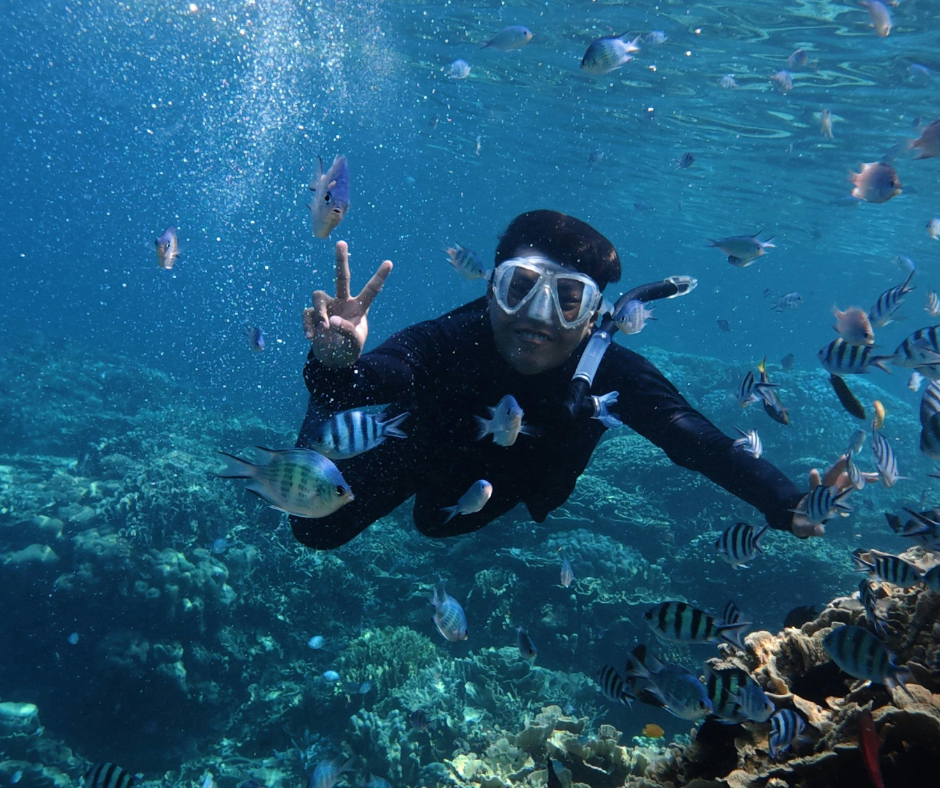
Australia’s Great Barrier Reef is one of the world’s ultimate destinations for underwater adventure for those on a working holiday or Gap Year.
Whether you’re an experienced diver or trying scuba diving for the first time, getting beneath the surface gives you an entirely different perspective on your destination. Colourful coral, tropical fish, turtles and other marine life make it an unforgettable experience.
Insurance check
Scuba diving is another activity where the details matter. When looking for travel insurance for scuba diving, check whether there are limits on the depth you can dive to and whether you need to hold a particular qualification.
You should also check whether the policy covers diving as part of an organised excursion and what happens if you need medical treatment after an underwater accident.
If you’re planning multiple dives or a specialist diving trip, don’t rely on assumptions. Check the policy before you travel.
5. Skiing or Snowboarding in Canada
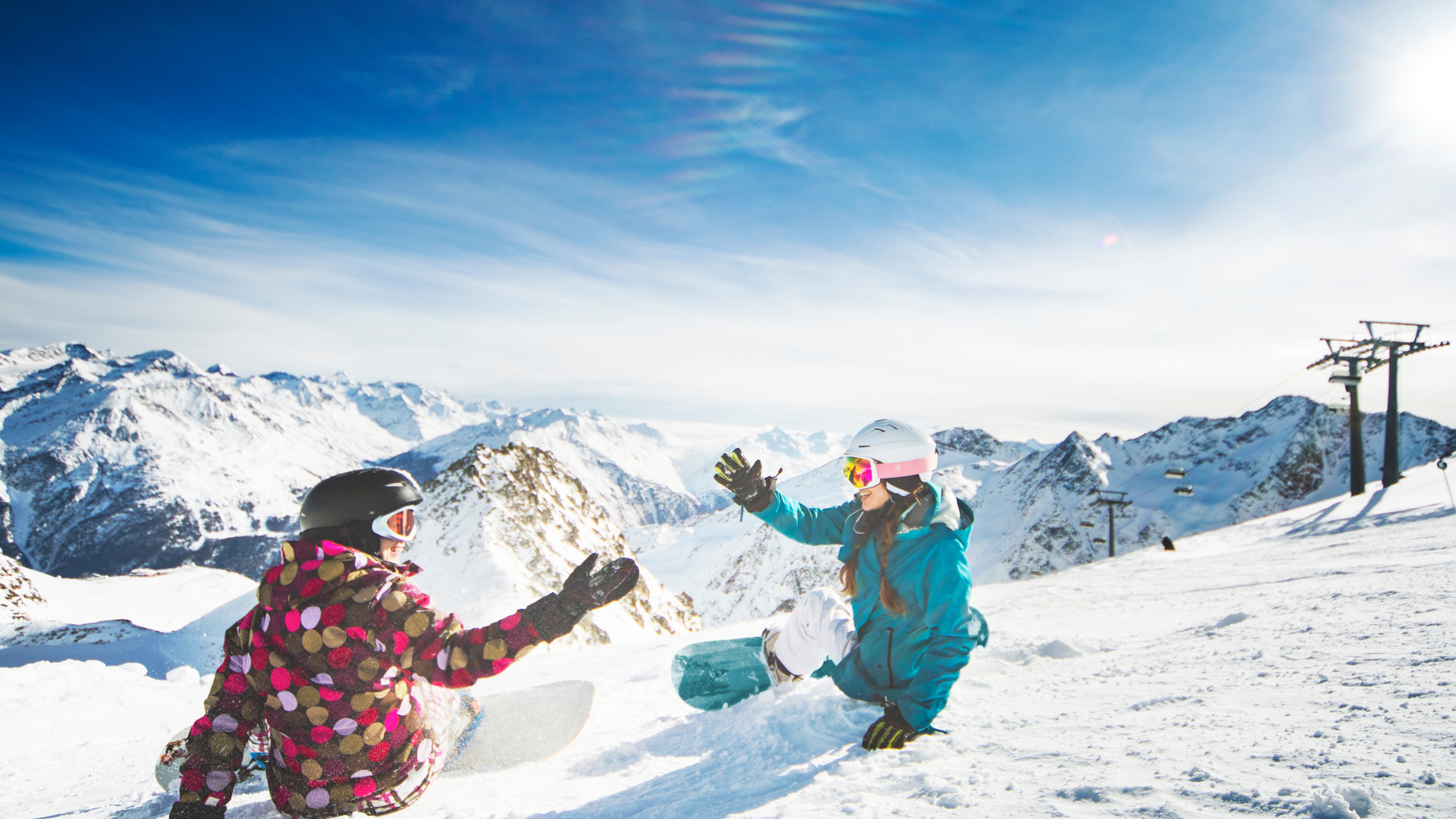
For some travellers, adventure means swapping a beach holiday for a mountain covered in fresh powder.
Canada is home to some spectacular ski destinations, from British Columbia and Alberta to Quebec and beyond. The scale of the Canadian Rockies makes it particularly appealing to anyone looking for a big winter adventure.
And if you’re heading over on a working holiday, you could even spend an entire season living and working in a Canadian ski resort.
Insurance check
Skiing and snowboarding usually require winter sports cover, rather than a standard travel insurance policy. But even winter sports cover can vary in its level of protection.
Check whether the policy covers the type of skiing or snowboarding you’re planning, including any off-piste activity or terrain parks. It’s also worth checking cover for ski equipment, piste closure, missed transport and mountain rescue.
If you’re heading to Canada for the ski season, take a look at our guide to the best winter working holiday jobs in Canada and make sure your insurance is suitable for the work and activities you’re planning.
6. White-Water Rafting
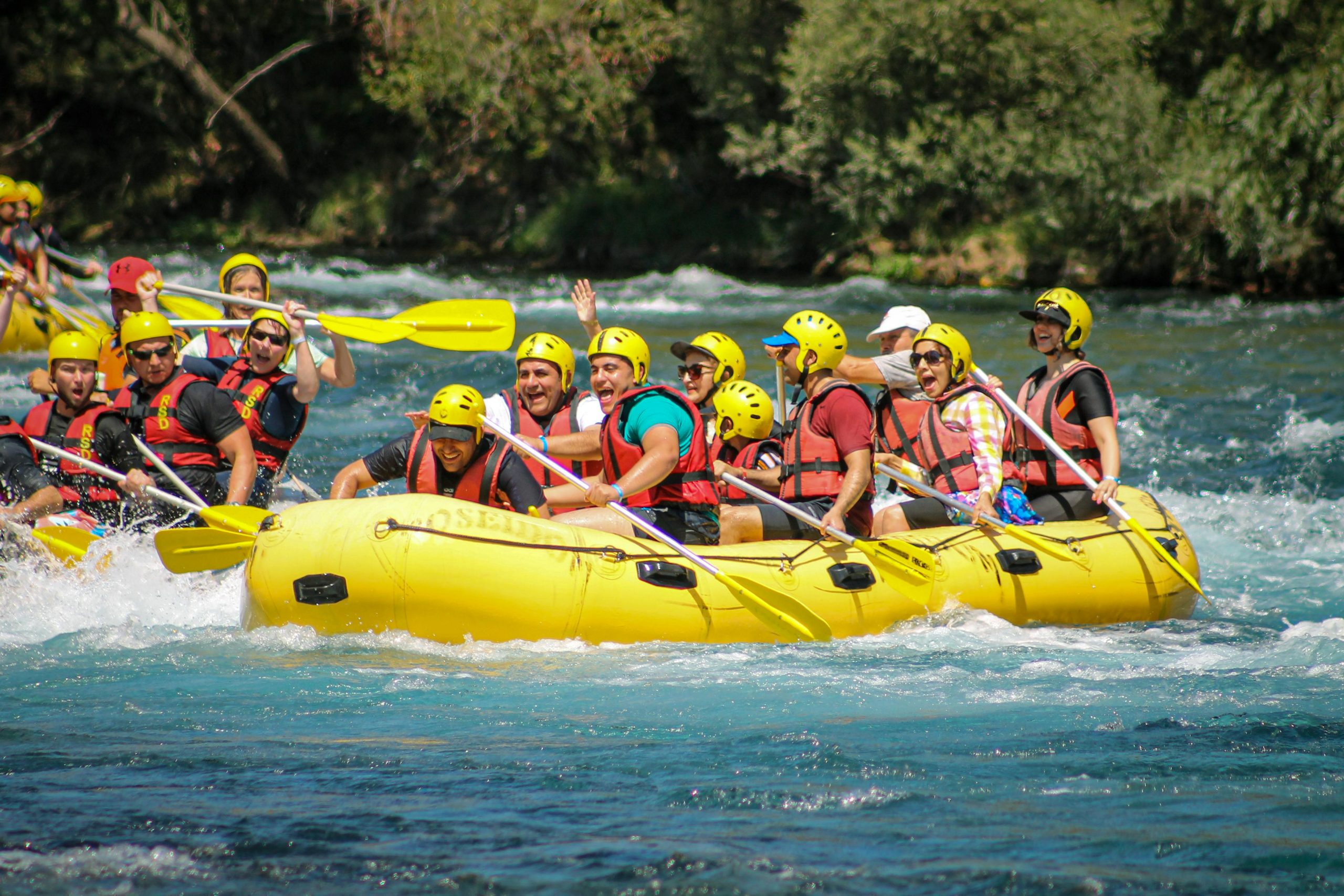
If walking isn’t quite adventurous enough, why not add some fast-moving water?
White-water rafting can take you through some of the world’s most dramatic landscapes. From rivers in New Zealand and Costa Rica to the mountains of Nepal and the USA, rafting offers experiences for a wide range of abilities.
But there’s a big difference between a gentle rafting trip and tackling serious rapids.
Insurance check
When checking travel insurance for adventure activities, don’t just look for the words “white-water rafting”. Policies may distinguish between different grades or levels of activity.
If you’re booking an organised rafting excursion, check which level of rafting is included and whether the activity must be operated by an approved or licensed provider. As with any adventure activity, medical cover is particularly important. An accident on a remote river can require a very different response from an injury in a city centre.
7. Trekking in Patagonia
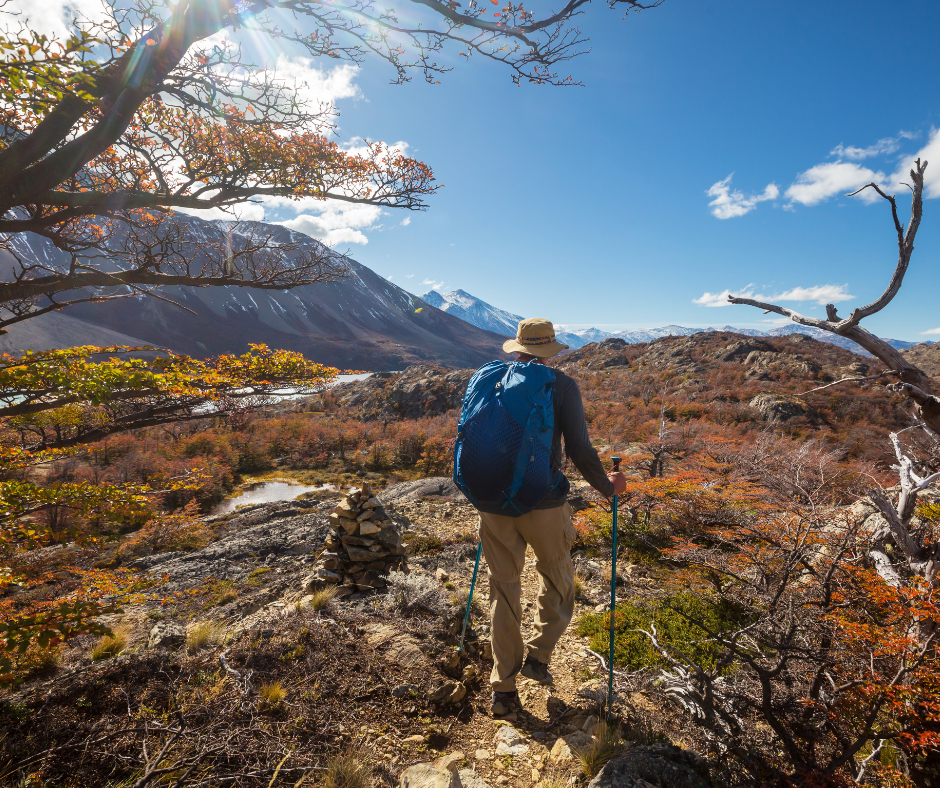
Patagonia stretches across southern Argentina and Chile and is an incredible destination for adventurous travellers. Think huge mountains, glaciers, remote valleys and some of the most spectacular hiking trails in South America.
The famous Torres del Paine National Park is a particular favourite with trekkers, while Argentina’s Los Glaciares National Park offers access to trails around El Chaltén and the iconic Mount Fitz Roy.
Insurance check
Remote adventure travel brings its own considerations. Before setting off, check that your adventure travel insurance covers trekking and hiking, including the maximum altitude and any restrictions around remote areas.
Medical evacuation is another important consideration. If you’re several hours or days away from the nearest major town, getting help could be considerably more complicated, and expensive, than a normal medical emergency.
Think about the whole journey, not just the activity itself. Your insurance should match the destination, the activities, and how you’re travelling.
8. Bungee Jumping
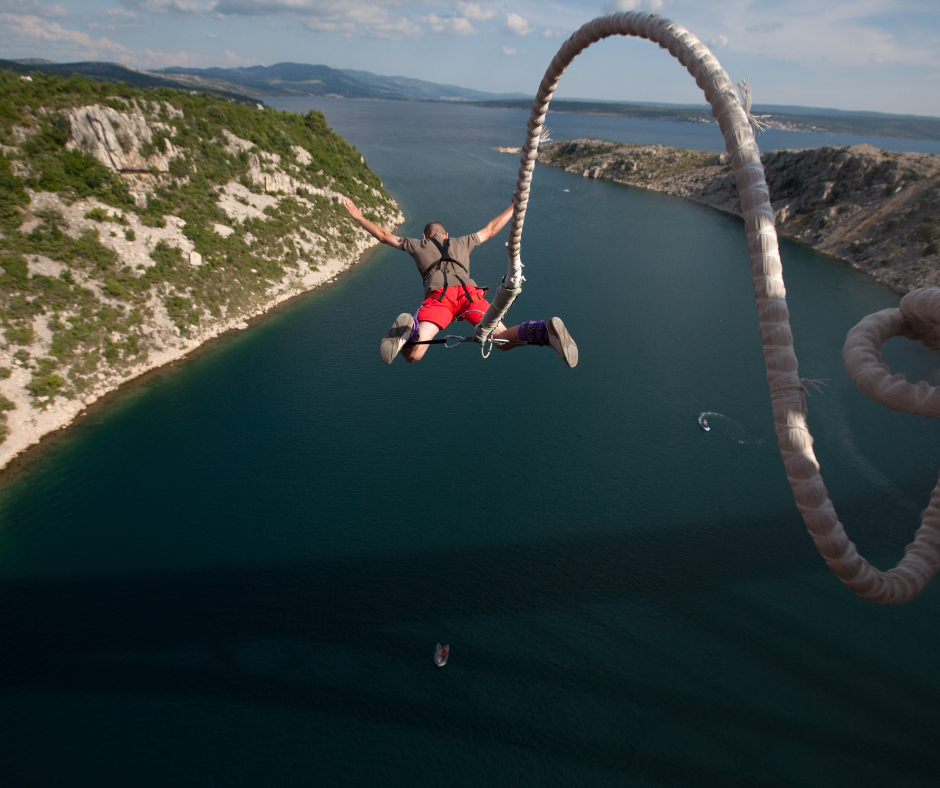
Sometimes adventure doesn’t require a multi-day trek or weeks of preparation.
Bungee jumping takes just a few minutes. But those few minutes can give you a serious adrenaline rush! New Zealand is often considered the home of modern commercial bungee jumping, but you’ll find jumps in destinations around the world.
Insurance check
As with skydiving, don’t assume bungee jumping is automatically included in your travel insurance. Check your policy’s activity list before you book.
It’s also worth checking whether your policy has conditions relating to the operator. Choosing a reputable, properly regulated provider matters for your safety, regardless of what your insurance policy says.
Remember, travel insurance is there to help when things go wrong. It shouldn’t be viewed as a substitute for taking reasonable precautions when choosing an adventure activity.
9. Shark Diving
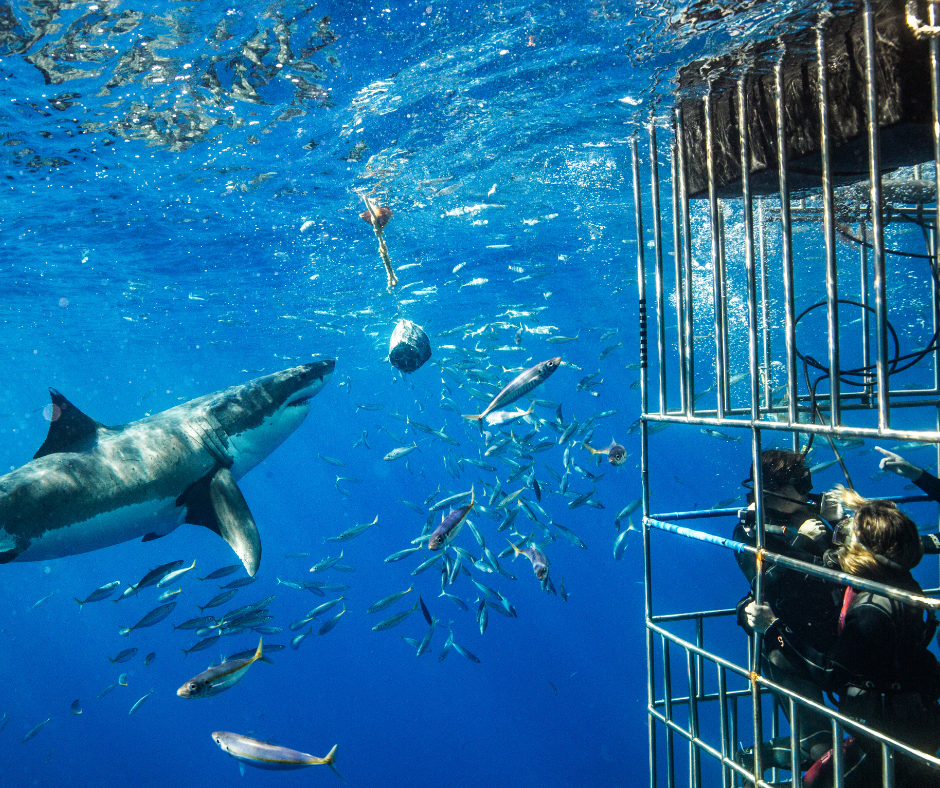
For a truly unforgettable underwater experience, how about getting into the water with sharks?
Shark diving experiences are available in destinations including Australia, South Africa, Mexico and the Bahamas. Depending on the location and experience, you might see sharks from a cage, join a guided dive, or encounter them in their natural environment.
It isn’t an activity for everyone. But for adventurous travellers, shark diving truly is memorable.
Insurance check
Specialist activities such as shark diving are another reason to read your travel insurance details before you travel. Check whether scuba diving is covered, whether there are depth restrictions and whether the particular type of excursion you’re booking is included.
If a professional operator runs the activity, check what safety procedures they have in place. Your insurer’s activity requirements and the excursion provider’s safety requirements should both be part of your pre-trip checklist.
10. A Multi-Day Wilderness Trek
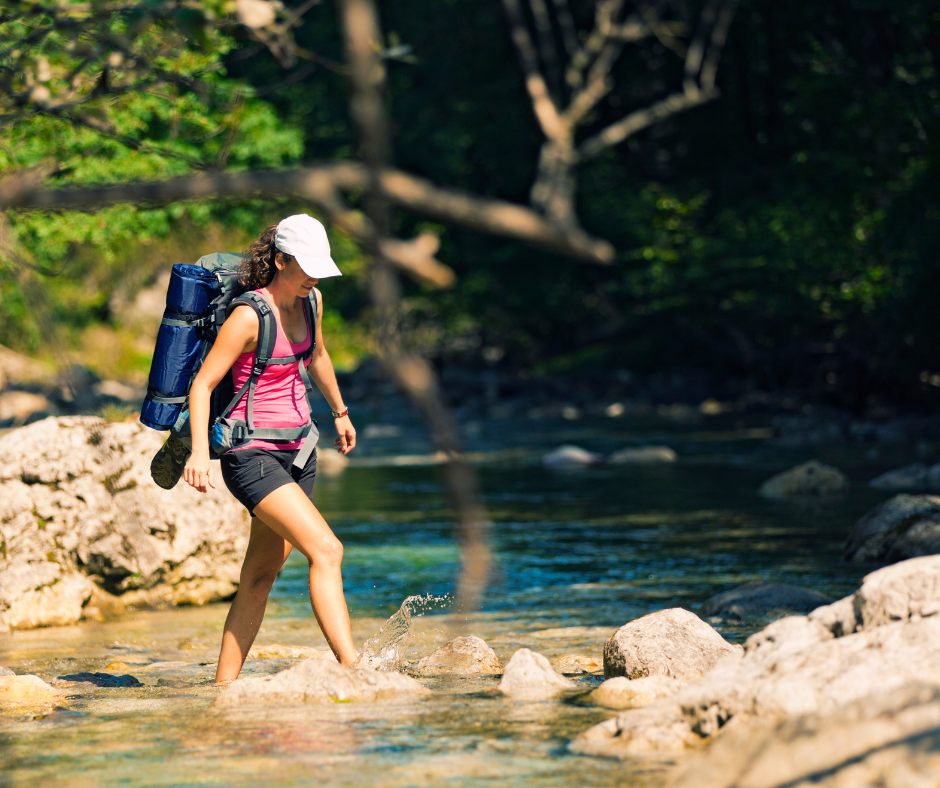
Perhaps the ultimate adventure isn’t one particular activity. It’s simply heading somewhere remote and walking through it.
Multi-day treks can be found all over the world, from New Zealand’s Great Walks and the Dolomites in Italy to routes through the Canadian Rockies and the mountains of South America. You’ll carry your equipment, spend nights away from civilisation and rely on your own preparation to get from one place to the next.
Insurance check
This is where it’s particularly important to think about the details of your trip.
How high will you be? How remote is the route? Are you travelling independently or with a guide? What kind of terrain will you encounter?
Your travel insurance for hiking or trekking needs to reflect the actual adventure you’re planning. Check the policy wording for activity, altitude and geographical restrictions before you set off. If you’re planning something particularly remote or challenging, contact your insurer if you’re unsure whether your trip falls within the policy terms.
What Should Adventure Travel Insurance Cover?
Choosing travel insurance for an adventure holiday isn’t simply about finding the cheapest policy. The most important thing is making sure it covers what you’re actually planning to do.
Before you buy, check the following for peace of mind.
| Medical expenses | Medical care abroad can be costly, especially in places like the USA, Canada, and Australia. Ensure your emergency medical cover includes your planned activities. |
| Emergency assistance and evacuation | Essential for remote activities like trekking or diving. Review policy coverage for emergency transport and evacuation. |
| Repatriation | If seriously injured or ill abroad, you may need repatriation to the UK. Verify that your policy includes adequate repatriation cover. |
| Activity cover | Crucial. Don’t assume tourist activities are automatically covered by travel insurance. Always check the activity list and specific restrictions. |
| Cancellation and curtailment | Adventure holidays involve high upfront costs like flights, accommodation, and tours.
Cancellation and curtailment insurance protects you financially if you must cancel or cut your trip short for a covered reason. |
| Baggage and equipment | Check that your baggage and personal possessions cover is adequate when travelling with specialist equipment.
Be sure to review single item limits and exclusions. |
Does Travel Insurance Cover Extreme Sports?
Travel insurance sometimes covers extreme sports, but you shouldn’t assume it does.
“Extreme sports” covers a wide range of activities, and insurers can treat them very differently. Something like a guided hike may be treated very differently from skydiving, while skiing can require a dedicated winter sports add-on.
The same activity can also have different rules depending on factors such as altitude, depth, location, experience level or whether you’re taking part professionally. That’s why it’s important to check the specific activity rather than simply looking for a policy advertised as covering “adventure sports”.
How to Choose Travel Insurance for an Adventure Holiday
Before you head off on your next big adventure, run through this checklist:
- Write down everything you’re planning to do.
Don’t just think about the main event. Include skiing, diving, trekking, rafting and any other activities you might book while you’re away. - Check the activity is covered.
Look at the policy wording rather than relying on general descriptions. - Check any limits.
Altitude, diving depth, activity level and geographical restrictions can all matter. - Consider how remote you’ll be.
Think about how you would access medical help if something went wrong. - Check your medical and repatriation cover.
Make sure the limits suit your destination and trip. - Declare relevant medical conditions.
If you have a pre-existing medical condition, check the insurer’s requirements before travelling. - Keep your policy details accessible.
Save your policy documents and emergency assistance details somewhere you can access them without internet.
Go Have the Adventure, Just Make Sure You’re Covered
Adventure travel is about saying yes to experiences you’ll remember for years. It’s trekking through spectacular mountains, seeing what lies beneath the ocean, skiing fresh powder or doing something that makes your stomach flip.
But the best adventures involve a little preparation.
Before you head off, make sure your travel insurance matches the trip you’re actually taking. Check the activities, read the exclusions and understand any limits around altitude, depth or the type of adventure you’re planning.
That way, you can concentrate on the exciting bit: having the adventure.
Because the last thing you want to discover after an accident is that your travel insurance didn’t cover what you were doing.
Related posts
Strewth mate! Take a look at these Australian newspaper headlines
10 January 2013Read more
Kids and Families | Travel Insurance | Travel Tips | Worldwide TravelOn-Piste vs Off-Piste Skiing: What’s the Difference (and Why Insurance Matters)
16 January 2026Read more
One Way TravelWhere are the most child-friendly countries to emigrate to?
25 February 2013Read more
Places to Visit | Travel Tips | Worldwide TravelParis City Guide: Everything UK Travellers Need to Know
15 July 2025Read more